
Keto Diet Side Effects
Are you considering trying out the popular keto diet but want to be aware of any potential side effects? Look no further! In this article, we will examine the possible side effects that may occur when following a keto diet.
From the infamous “keto flu” to digestive issues and changes in energy levels, we’ll provide you with all the information you need to navigate these potential challenges. By understanding the possible side effects, you can make an informed decision and ensure a successful journey towards a healthier lifestyle with the keto diet. Let’s get started!
Nutritional Imbalance
When following a keto diet, it is essential to be aware of the potential for nutritional imbalance. One common issue that can arise is a lack of variety in food choices. Since the keto diet emphasizes low-carb and high-fat foods, it can be easy to fall into a pattern of eating the same foods repeatedly. This limited variety can lead to a lack of essential nutrients that are found in a broader range of foods.
Another aspect of nutritional imbalance on the keto diet is the insufficient intake of vitamins and minerals. Many fruits, vegetables, and whole grains that are typically rich in these nutrients are restricted on a keto diet due to their higher carbohydrate content. This means that if you’re not consciously making an effort to include a wide variety of nutrient-dense keto-friendly foods in your diet, you may not be getting enough of the specific vitamins and minerals essential for your overall health.
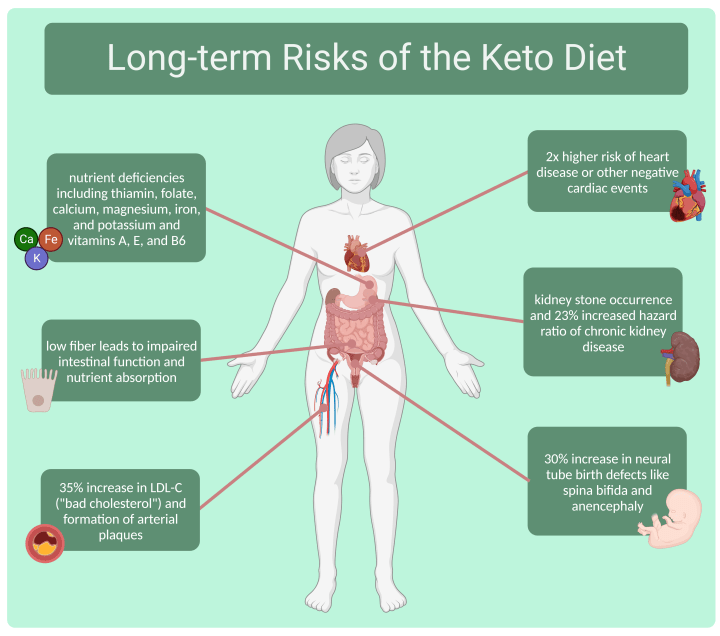
Furthermore, there is a potential for nutrient deficiencies. Specific essential nutrients, such as fiber, vitamin C, and folate, can be more challenging to obtain on a keto diet. These nutrient deficiencies can have negative impacts on your health and well-being if not adequately addressed. It is essential to consult with a healthcare professional or registered dietitian when starting a keto diet to ensure you are meeting your nutritional needs.
Keto Flu
One of the most well-known side effects of starting a keto diet is the so-called “keto flu.” This temporary condition can occur within the first few days or weeks of starting a ketogenic diet and is often characterized by flu-like symptoms.
Symptoms of the keto flu can include fatigue, headaches, irritability, dizziness, nausea, and muscle soreness. These symptoms typically arise as your body adjusts to the low-carb, high-fat nature of the keto diet. The transition from using glucose as the primary fuel source to using ketones can cause changes in electrolyte levels and fluid balance in the body, leading to flu-like symptoms.
The causes of keto flu are mainly related to the body’s adaptation phase. As your body shifts from using glucose to using fats for fuel, it may struggle to produce and utilize ketones efficiently. This transition phase can cause fluctuations in blood sugar levels and electrolyte imbalances, leading to the symptoms associated with the keto flu.
The duration of keto flu can vary from person to person, and it typically lasts anywhere from a few days to a couple of weeks. It is important to remember that this is a temporary and self-limiting condition. As your body becomes more adapted to using ketones for energy, the symptoms of the keto flu should subside.
Digestive Issues
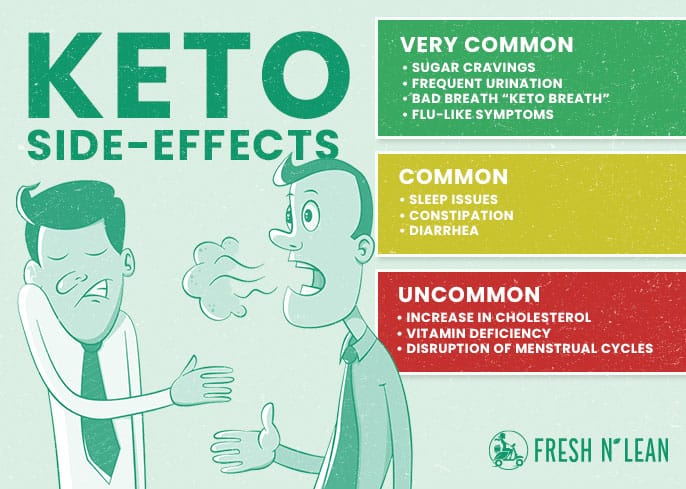
Some people may experience digestive issues when following a keto diet. Two common problems are constipation and diarrhea.
Constipation can occur due to the lower intake of dietary fiber on a keto diet. Since many high-fiber foods, such as whole grains, legumes, and certain fruits and vegetables, are restricted on a keto diet, it can be challenging to meet the recommended daily fiber intake. This lack of fiber can slow down digestion and lead to constipation.
On the other hand, diarrhea can also be a result of transitioning to a keto diet. Rapid changes in diet composition, particularly an increase in fat intake, can cause the digestive system to become overwhelmed, leading to loose stools.
Another potential side effect of the keto diet is bad breath, often referred to as “keto breath.” A fruity or acetone-like odor typically characterizes this. The production of ketones during ketosis can contribute to this unpleasant breath odor.
Hunger and Cravings
While some people experience reduced appetite on a keto diet, others may experience increased hunger. This increased appetite can be attributed to the restriction of carbohydrates, which are the body’s preferred source of quick energy. When carbohydrates are limited, the body may signal increased hunger as a way to obtain the fuel it needs.
Furthermore, controlling cravings can be challenging on a keto diet. Many high-carb foods, such as bread, pasta, and sweets, are restricted, making it challenging to satisfy cravings for these foods. This can lead to feelings of frustration and make it more challenging to adhere to the diet in the long term.
Additionally, hunger and cravings can have mental and emotional effects. It is not uncommon to feel irritable, moody, or even experience brain fog when hunger strikes. These effects can make it challenging to maintain a positive mindset and stick to your keto goals.

Electrolyte Imbalance
When following a keto diet, there is a potential for electrolyte imbalance. Electrolytes are minerals that play crucial roles in various bodily functions, including nerve signaling, muscle contractions, and fluid balance.
One reason for electrolyte imbalances on a keto diet is the loss of electrolytes through increased urination. Since the keto diet often leads to increased fluid intake and a diuretic effect, the body can lose electrolytes such as sodium, potassium, and magnesium more rapidly.
Symptoms of electrolyte imbalance can include fatigue, muscle cramps, dizziness, heart palpitations, and headaches. Maintaining an appropriate balance of electrolytes is crucial for ensuring optimal bodily function.
To mitigate the risk of electrolyte imbalance while following a keto diet, it is recommended to include foods rich in electrolytes, such as avocados, leafy greens, nuts, and seeds. Additionally, adding a pinch of salt to your meals or consuming electrolyte-rich beverages can also help maintain proper balance.
Keto Breath
One peculiar side effect of a keto diet is the occurrence of keto breath. This is often described as having a distinctive fruity or acetone-like odor on the breath. The specific cause of keto breath is the release of ketones through the breath.
During a state of ketosis, the body breaks down fats for fuel and produces ketones as a byproduct. Ketones can be excreted through different avenues, including the breath. As a result, some individuals may notice a change in their breath odor while on a keto diet.
While keto breath can be bothersome, there are ways to manage or reduce it. Staying well-hydrated, practicing good oral hygiene, and regularly brushing and flossing your teeth can help minimize the odor. Additionally, using sugar-free mints or chewing sugar-free gum can temporarily mask the smell.
It is essential to note that keto breath typically occurs during the initial phase of ketosis and tends to improve as the body becomes more accustomed to utilizing ketones for energy.
Temporary Performance Decline
Following a keto diet may lead to a temporary decline in physical performance for some individuals. This decline can occur as the body adjusts to using fats as the primary fuel source, rather than carbohydrates.
During high-intensity exercise or activities that require rapid bursts of energy, the body typically relies on carbohydrates as its primary source of fuel. However, when carbohydrates are restricted on a keto diet, the body needs to adapt to using fats for energy. This transition phase can lead to a decrease in physical performance, as the body may not initially utilize fats efficiently as a fuel source.
However, it is essential to note that this decline in performance is often temporary. As the body becomes more adapted to using fats and ketones for fuel, performance can improve. Many individuals who follow a keto diet find that their physical performance returns to normal levels after an adaptation period.
Sleep Issues
For some individuals, starting a keto diet can result in sleep issues, such as insomnia or changes in sleep patterns. This could be attributed to various factors related to the dietary changes and metabolic adaptations that occur on a keto diet.
Insomnia, or the inability to fall asleep or stay asleep, can be experienced by some individuals when starting a keto diet. The initial transition phase to ketosis may disrupt sleep patterns and make it challenging to achieve a restful night’s sleep.
In addition to insomnia, changes in sleep patterns can also occur. Some individuals report experiencing vivid dreams or more frequent nighttime awakenings. These changes can result from hormonal shifts, metabolic adaptations, or other factors associated with the keto diet.
It is essential to prioritize good sleep hygiene practices when following a keto diet. This includes maintaining a consistent sleep schedule, creating a comfortable sleep environment, and practicing relaxation techniques before bed.
Muscle Cramps
Muscle cramps can be a potential side effect of a keto diet. While the exact relationship between a keto diet and muscle cramps is not fully understood, several factors may contribute to their occurrence.
One common cause of muscle cramps on a keto diet is an inadequate intake of electrolytes, specifically magnesium and potassium. These minerals play a crucial role in muscle function and maintaining electrolyte balance. When electrolyte levels are imbalanced, the risk of muscle cramps increases.
To prevent and relieve muscle cramps, it is essential to ensure you are meeting your electrolyte needs on a keto diet. This can be achieved by consuming foods rich in magnesium and potassium, such as leafy greens, nuts, seeds, and avocados. Additionally, using supplements or electrolyte-enhanced beverages can also help maintain electrolyte balance.
Gastrointestinal Distress
Gastrointestinal distress is another potential side effect of the keto diet, particularly when there is an excessive intake of fat. High fat consumption can sometimes overwhelm the digestive system, leading to symptoms such as nausea, vomiting, and digestive discomfort.
Although fats are an essential component of a keto diet, it is crucial to include a balance of other macronutrients, such as protein and carbohydrates, to prevent excessive fat intake. Moreover, consuming smaller, more frequent meals throughout the day and incorporating fiber-rich foods can help promote a healthy digestive system while following a keto diet.
If you experience persistent or severe gastrointestinal distress while on a keto diet, it is essential to consult with a healthcare professional or registered dietitian to address and manage these symptoms effectively.
While the keto diet can be an effective way to achieve weight loss and other health benefits, it is essential to be aware of the potential side effects and take steps to mitigate them. Nutritional imbalance, keto flu, digestive issues, hunger and cravings, electrolyte imbalance, keto breath, temporary performance decline, sleep issues, muscle cramps, and gastrointestinal distress are all possible side effects of the keto diet. By understanding these potential issues and addressing them effectively, you can optimize your overall experience and achieve greater success with the keto diet.

RELATED TOPICS ABOUT Keto Diet Side Effects:
Side Effects of Keto Diet,
Ketogenic Diet Side Effects,
Common Keto Side Effects,
Keto Adverse Effects,
Keto Diet Symptoms,
Low Carb Diet Side Effects,
Keto Flu Symptoms,
Keto Headache,
Keto Fatigue,
Keto Dizziness,
Nausea on Keto,
Constipation on Keto,
First Week Keto Side Effects,
Keto Diet Side Effects Day 1,
Short Term Keto Side Effects,
Long Term Effects of Keto Diet,
Temporary Side Effects of Keto,
Electrolyte Imbalance on Keto,
Nutrient Deficiencies on Keto,
Keto and Dehydration,
Keto and Gut Health,
Hormonal Changes on Keto,
Keto Impact on Liver and Kidneys,
How to Avoid Keto Side Effects,
Remedies for Keto Side Effects,
Managing Keto Transition Symptoms,
Supplements to Reduce Keto Side Effects,
Natural Solutions for Keto Symptoms,
Keto Side Effects for Women,
Keto Side Effects over 50,
Side Effects of Keto for Beginners,
Keto Side Effects in Men,
Keto for Diabetics Side Effects,
Keto Side Effects Checklist,
Printable Keto Side Effects Guide,
Keto Symptoms Tracker Pdf,
Visual Guide to Keto Side Effects,
Keto Side Effects and Solutions Chart
===========
Content 10/10/G


