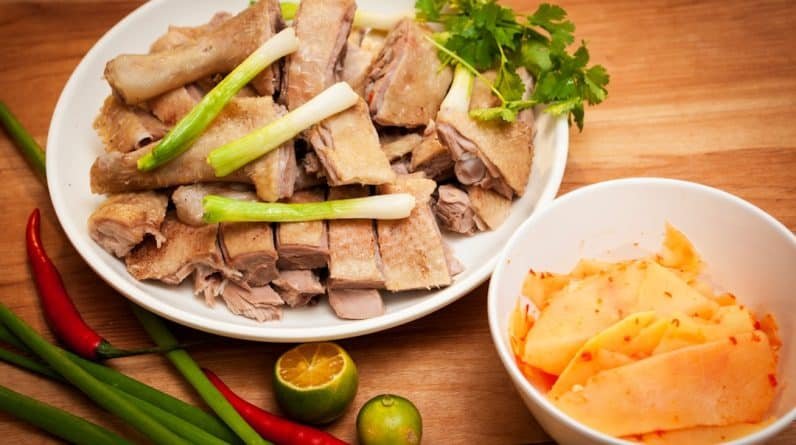
The Paleo Keto diet is a unique blend of two popular dietary approaches: the Paleo diet and the ketogenic (keto) diet. At its core, the Paleo diet emphasizes whole, unprocessed foods that our ancestors would have consumed, such as lean meats, fish, fruits, vegetables, nuts, and seeds. It excludes grains, legumes, dairy, and processed foods.
On the other hand, the keto diet focuses on drastically reducing carbohydrate intake while increasing fat consumption to induce a state of ketosis, where the body burns fat for fuel instead of carbohydrates. When combined, the Paleo Keto diet encourages a low-carb, high-fat approach while adhering to the principles of eating whole foods. As you delve into the Paleo Keto diet, you will find that it not only promotes weight loss but also emphasizes nutrient-dense foods that can enhance overall health.
This diet encourages you to prioritize healthy fats from sources like avocados, olive oil, and fatty fish while avoiding refined sugars and processed carbohydrates. By understanding the foundational principles of this diet, you can better appreciate how it may align with your health goals, particularly if you are managing diabetes.
Key Takeaways
- The Paleo Keto diet combines the principles of the Paleo diet and the Keto diet, focusing on low-carb, high-fat, and moderate protein intake.
- The Paleo Keto diet can benefit diabetics by helping to improve insulin sensitivity, regulate blood sugar levels, and promote weight loss.
- Following a Paleo Keto diet can help diabetics manage blood sugar levels by reducing carbohydrate intake and increasing healthy fat consumption.
- Diabetics on a Paleo Keto diet should focus on consuming foods such as lean meats, fish, non-starchy vegetables, nuts, and healthy fats like avocado and olive oil.
- Diabetics on a Paleo Keto diet should avoid foods high in refined sugars, grains, starchy vegetables, and processed foods to help manage blood sugar levels.
Benefits of the Paleo Keto Diet for Diabetics
For individuals with diabetes, the Paleo Keto diet offers several compelling benefits. One of the most significant advantages is its potential to stabilize blood sugar levels. By minimizing carbohydrate intake and focusing on low-glycemic foods, you can help prevent spikes in blood sugar that often accompany traditional diets high in refined carbs.
This stabilization can lead to improved energy levels and a reduced risk of complications associated with diabetes. Additionally, the Paleo Keto diet can aid in weight management, which is crucial for many diabetics. Excess weight can exacerbate insulin resistance and make blood sugar control more challenging.
By adopting a diet rich in healthy fats and proteins while eliminating processed foods, you may find it easier to shed unwanted pounds. This weight loss can further enhance your ability to manage diabetes effectively and improve your overall well-being.
How the Paleo Keto Diet Can Help Manage Blood Sugar Levels

Managing blood sugar levels is a primary concern for anyone living with diabetes. The Paleo Keto diet can be particularly effective in this regard due to its low carbohydrate content. When you consume fewer carbs, your body requires less insulin to process glucose, which can lead to more stable blood sugar levels throughout the day.
This is especially beneficial for those who struggle with insulin resistance or have difficulty maintaining consistent blood sugar levels. Moreover, the emphasis on whole foods in the Paleo Keto diet means you are consuming nutrient-dense options that provide essential vitamins and minerals without the added sugars found in many processed foods. Foods like leafy greens, nuts, and fatty fish not only support overall health but also contribute to better blood sugar regulation.
By focusing on these nutrient-rich foods, you can create a balanced diet that supports your body’s needs while keeping your blood sugar in check.
Foods to Eat on a Paleo Keto Diet for Diabetics
When following a Paleo Keto diet as a diabetic, it’s essential to know which foods to include in your meals. Start by incorporating high-quality proteins such as grass-fed beef, free-range poultry, and wild-caught fish. These protein sources provide essential amino acids while being low in carbohydrates.
Additionally, healthy fats should be a staple in your diet; consider avocados, coconut oil, olive oil, and nuts as excellent options for adding flavor and nutrition to your meals. Vegetables are another crucial component of the Paleo Keto diet. Focus on non-starchy vegetables like leafy greens, broccoli, cauliflower, and zucchini.
These vegetables are low in carbohydrates and high in fiber, which can help regulate blood sugar levels. You can also enjoy berries in moderation as they are lower in sugar compared to other fruits. By choosing these foods wisely, you can create satisfying meals that align with your dietary goals while supporting your health as a diabetic.
Foods to Avoid on a Paleo Keto Diet for Diabetics
While there are many delicious foods to enjoy on a Paleo Keto diet, there are also several items you should avoid to maintain optimal health and blood sugar control. First and foremost, steer clear of refined carbohydrates such as white bread, pasta, and sugary snacks. These foods can cause rapid spikes in blood sugar levels and should be eliminated from your diet.
Additionally, it’s essential to avoid processed foods that often contain hidden sugars and unhealthy fats. This includes items like sugary beverages, packaged snacks, and fast food. Instead of reaching for these convenience items, focus on preparing fresh meals at home using whole ingredients.
By doing so, you can ensure that you are nourishing your body with the right foods while keeping your blood sugar levels stable.
Meal Planning for Diabetics on a Paleo Keto Diet

Meal planning is a vital aspect of successfully following a Paleo Keto diet as a diabetic. By taking the time to plan your meals ahead of time, you can ensure that you have access to healthy options that align with your dietary needs. Start by creating a weekly menu that includes breakfast, lunch, dinner, and snacks.
This will help you stay organized and reduce the temptation to reach for unhealthy options when hunger strikes. When planning your meals, consider batch cooking or preparing ingredients in advance. For example, you might roast a variety of non-starchy vegetables or cook a large portion of protein at the beginning of the week.
This way, you can easily assemble meals throughout the week without spending excessive time in the kitchen each day. Additionally, keep healthy snacks on hand—such as nuts or cut-up vegetables—to help curb cravings between meals.
Tips for Successfully Following a Paleo Keto Diet with Diabetes
Successfully adhering to a Paleo Keto diet while managing diabetes requires commitment and mindfulness. One effective strategy is to track your food intake using a journal or an app designed for this purpose. By logging what you eat and monitoring your blood sugar levels regularly, you can identify patterns and make adjustments as needed to optimize your diet.
Another helpful tip is to stay hydrated by drinking plenty of water throughout the day. Sometimes thirst can be mistaken for hunger, leading to unnecessary snacking or overeating. Additionally, consider incorporating mindfulness practices into your routine—such as meditation or yoga—to help manage stress levels.
Stress can impact blood sugar control; therefore, finding ways to relax can be beneficial for both your mental well-being and diabetes management.
Potential Risks and Considerations for Diabetics on a Paleo Keto Diet
While the Paleo Keto diet offers numerous benefits for diabetics, it is essential to be aware of potential risks and considerations before making significant dietary changes. One concern is the possibility of nutrient deficiencies if not carefully planned. Since this diet restricts certain food groups like grains and legumes, it’s crucial to ensure you are still getting adequate vitamins and minerals from other sources.
Additionally, some individuals may experience initial side effects when transitioning to a low-carb diet—often referred to as “keto flu.” Symptoms may include fatigue, headaches, or irritability as your body adjusts to burning fat for fuel instead of carbohydrates. To mitigate these effects, consider gradually reducing carbohydrate intake rather than making abrupt changes all at once. Consulting with a healthcare professional before starting this diet is also advisable to ensure it aligns with your individual health needs.
Incorporating Exercise into a Paleo Keto Lifestyle for Diabetics
Exercise plays a vital role in managing diabetes and enhancing overall health when following a Paleo Keto lifestyle. Regular physical activity helps improve insulin sensitivity and can aid in weight management—two critical factors for diabetics. Aim for a balanced routine that includes both aerobic exercises (like walking or cycling) and strength training (such as weight lifting or resistance exercises).
Incorporating movement into your daily routine doesn’t have to be daunting; even small changes can make a difference. Consider taking short walks after meals or engaging in activities you enjoy—like dancing or swimming—to make exercise more enjoyable. By finding ways to stay active that fit into your lifestyle, you can enhance the benefits of your Paleo Keto diet while supporting your diabetes management efforts.
Success Stories of Diabetics Following a Paleo Keto Diet
Many individuals with diabetes have found success by adopting a Paleo Keto diet. These success stories often highlight significant improvements in blood sugar control and overall health after making dietary changes. For instance, some people report reduced reliance on medication as they achieve better glycemic control through their new eating habits.
Additionally, many success stories emphasize the positive impact on energy levels and weight loss experienced by those who commit to this lifestyle change. As you explore these narratives, you may find inspiration and motivation to embark on your own journey toward better health through the Paleo Keto diet.
Consulting with a Healthcare Professional Before Starting a Paleo Keto Diet with Diabetes
Before embarking on any significant dietary change—especially one as specific as the Paleo Keto diet—it’s crucial to consult with a healthcare professional or registered dietitian familiar with diabetes management. They can provide personalized guidance based on your unique health needs and help you navigate potential challenges associated with this dietary approach. A healthcare professional can also assist in monitoring your progress as you transition into this new lifestyle.
Regular check-ins will allow you to assess how well the diet is working for you and make necessary adjustments along the way. By seeking professional advice before starting the Paleo Keto diet, you can ensure that you are making informed choices that support both your health goals and diabetes management effectively.
FAQs
What is the Paleo Keto diet?
The Paleo Keto diet combines elements of the Paleo diet, which focuses on consuming whole, unprocessed foods, with the principles of the ketogenic diet, which emphasizes high fat, moderate protein, and low carbohydrate intake.
How does the Paleo Keto diet benefit diabetics?
The Paleo Keto diet can benefit diabetics by helping to regulate blood sugar levels, reduce insulin resistance, and promote weight loss. By focusing on whole foods and minimizing processed carbohydrates, it can help manage blood sugar levels more effectively.
What foods are allowed on the Paleo Keto diet?
Foods allowed on the Paleo Keto diet include lean meats, fish, eggs, non-starchy vegetables, healthy fats such as avocados and olive oil, nuts and seeds, and some low-sugar fruits. Processed foods, grains, legumes, and high-carbohydrate foods are typically avoided.
Is the Paleo Keto diet safe for diabetics?
Before starting any new diet, especially one that involves significant changes to macronutrient intake, it is important for diabetics to consult with a healthcare professional. The Paleo Keto diet may not be suitable for everyone, and individualized guidance is important to ensure safety and effectiveness.
Can the Paleo Keto diet help with weight management for diabetics?
The Paleo Keto diet may help with weight management for diabetics due to its focus on whole, nutrient-dense foods and its potential to reduce cravings and promote satiety. However, individual results may vary, and it is important to approach weight management with a holistic approach that includes diet, exercise, and overall lifestyle factors.