The ketogenic diet, commonly known as the keto diet, is a low-carbohydrate, high-fat eating plan that has gained immense popularity in recent years. At its core, the keto diet aims to shift your body’s metabolism from burning carbohydrates for energy to burning fat. This metabolic state is known as ketosis, where your body becomes highly efficient at converting fat into ketones, which serve as an alternative energy source.
By drastically reducing your carbohydrate intake and replacing it with healthy fats, you can encourage your body to enter this state of ketosis, leading to significant weight loss and other health benefits. As you embark on your keto journey, it’s essential to understand the macronutrient breakdown that characterizes this diet. Typically, a standard keto diet consists of approximately 70-75% fats, 20-25% protein, and only about 5-10% carbohydrates.
This means that you will need to be mindful of the foods you consume, focusing on high-fat options like avocados, nuts, seeds, and oils while avoiding sugary foods and grains. Understanding these principles will help you make informed choices as you navigate your post-baby weight loss journey.
Key Takeaways
- The keto diet involves consuming high fat, moderate protein, and low carb foods to induce ketosis, a metabolic state where the body burns fat for fuel.
- Keto can help post-baby fat loss by promoting fat burning, reducing appetite, and stabilizing blood sugar levels.
- To start the keto diet, focus on reducing carb intake, increasing healthy fats, and incorporating moderate protein sources.
- Meal planning for post-baby fat loss on keto involves choosing nutrient-dense foods, preparing meals in advance, and staying hydrated.
- Combining keto with exercise can enhance post-baby fat loss by increasing metabolism, improving muscle tone, and boosting overall energy levels.
Benefits of Keto for Post-baby Fat Loss
After giving birth, many women find themselves facing the challenge of shedding those extra pounds gained during pregnancy. The keto diet can be particularly beneficial in this regard. One of the primary advantages of adopting a ketogenic lifestyle is its ability to promote rapid fat loss.
By entering ketosis, your body becomes a fat-burning machine, allowing you to tap into stored fat reserves for energy. This can lead to noticeable weight loss in a relatively short period, which can be incredibly motivating as you work towards regaining your pre-baby body. In addition to weight loss, the keto diet can also help stabilize your energy levels throughout the day.
New mothers often experience fatigue due to sleepless nights and the demands of caring for a newborn. By consuming a diet rich in healthy fats and low in carbohydrates, you can avoid the blood sugar spikes and crashes that come with high-carb diets. This steady energy supply can help you feel more alert and focused, making it easier to tackle daily tasks and enjoy quality time with your baby.
How to Start the Keto Diet
Starting the keto diet may seem daunting at first, but with a little preparation and knowledge, you can ease into this lifestyle change. The first step is to educate yourself about the foods that fit within the keto framework. Begin by eliminating high-carb foods from your pantry and refrigerator, such as bread, pasta, rice, and sugary snacks.
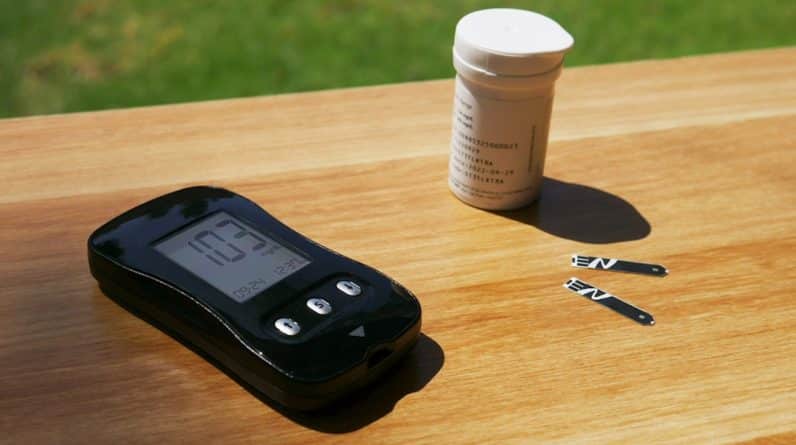
Instead, stock up on healthy fats like olive oil, coconut oil, butter, and fatty cuts of meat. Incorporating plenty of non-starchy vegetables like leafy greens, broccoli, and zucchini will also provide essential nutrients while keeping your carb intake low. Once you have your kitchen stocked with keto-friendly foods, consider tracking your macronutrient intake using a food diary or an app designed for this purpose.
This will help you stay accountable and ensure that you are meeting your daily fat, protein, and carbohydrate goals. As you begin your keto journey, it’s important to listen to your body and make adjustments as needed. You may experience some initial side effects known as the “keto flu,” which can include fatigue and irritability as your body adapts to burning fat for fuel.
Staying hydrated and ensuring adequate electrolyte intake can help alleviate these symptoms.
Meal Planning for Post-baby Fat Loss on Keto
Meal planning is a crucial component of successfully following the keto diet, especially when you’re focused on post-baby fat loss. By planning your meals in advance, you can ensure that you have access to nutritious options that align with your dietary goals. Start by creating a weekly meal plan that includes breakfast, lunch, dinner, and snacks.
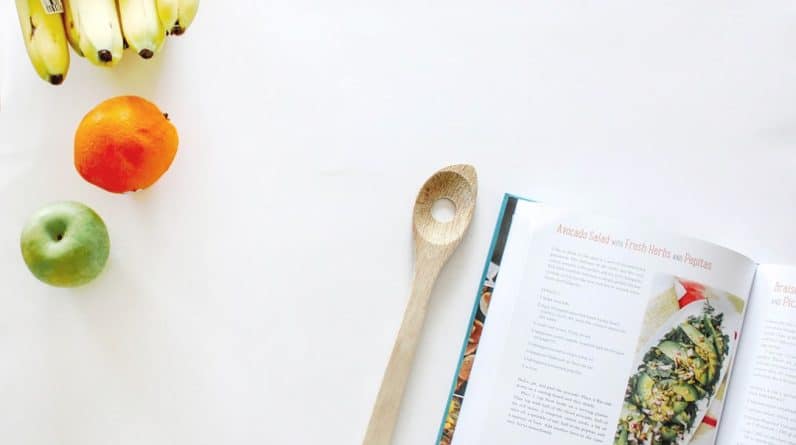
This will not only save you time during busy days but also help you avoid the temptation of reaching for high-carb convenience foods. When planning your meals, aim for variety to keep things interesting. For breakfast, consider options like scrambled eggs cooked in butter with spinach or a smoothie made with avocado and unsweetened almond milk.
For lunch and dinner, focus on protein-rich dishes such as grilled chicken thighs served with roasted vegetables or a hearty salad topped with olive oil dressing. Don’t forget to include healthy snacks like cheese sticks or nuts to keep hunger at bay between meals. By preparing meals ahead of time and having them readily available, you’ll be better equipped to stick to your keto plan while managing the demands of motherhood.
Exercise and Keto for Post-baby Fat Loss
Incorporating exercise into your routine can significantly enhance the benefits of the keto diet for post-baby fat loss. While it’s essential to listen to your body and not overdo it in the early weeks after giving birth, gradually reintroducing physical activity can help boost your metabolism and improve overall well-being. Aim for a balanced approach that includes both cardiovascular exercises and strength training to maximize fat loss while building lean muscle.
Low-impact activities such as walking or swimming can be excellent starting points as they are gentle on your body while still providing cardiovascular benefits. As you gain strength and confidence, consider adding resistance training exercises using body weight or light weights to help tone muscles and increase metabolism. Combining regular exercise with a ketogenic diet can create a powerful synergy that accelerates fat loss while improving your energy levels and mood.
Managing Hormonal Changes with Keto
After childbirth, hormonal fluctuations are common as your body adjusts back to its pre-pregnancy state. These changes can impact weight loss efforts and overall well-being. The keto diet may offer some advantages in managing these hormonal shifts.
For instance, by stabilizing blood sugar levels through reduced carbohydrate intake, you may experience fewer mood swings and cravings associated with hormonal changes. Additionally, healthy fats found in a ketogenic diet can support hormone production and balance. Foods rich in omega-3 fatty acids, such as fatty fish and flaxseeds, can help reduce inflammation and promote hormonal health.
As you navigate this transitional period postpartum, focusing on nutrient-dense foods that support hormonal balance can enhance your overall experience on the keto diet.
Overcoming Challenges on Keto for Post-baby Fat Loss
While the keto diet offers numerous benefits for post-baby fat loss, it’s not without its challenges. One common hurdle many new mothers face is time constraints due to the demands of caring for a newborn. Finding time to prepare meals or plan grocery shopping can feel overwhelming at times.
To overcome this challenge, consider batch cooking on weekends when you have more time available. Preparing larger quantities of meals that can be easily reheated during the week will save you time and effort. Another challenge may arise from social situations or family gatherings where high-carb foods are prevalent.
It’s essential to communicate your dietary preferences with friends and family so they can accommodate your needs when planning meals together. Bringing along keto-friendly dishes to share can also ensure that you have something delicious to enjoy while still adhering to your dietary goals.
Tracking Progress and Adjusting the Keto Diet
Tracking your progress is an essential aspect of any weight loss journey, including when following the keto diet postpartum. Regularly monitoring changes in weight, measurements, or how your clothes fit can provide valuable insights into how well the diet is working for you. Additionally, consider keeping a journal to document how you feel physically and emotionally throughout this process.
As you track your progress, be open to making adjustments as needed. If you find that weight loss has plateaued or if you’re not feeling your best on the current macronutrient ratios, don’t hesitate to tweak your approach. This might involve adjusting your fat intake or incorporating more physical activity into your routine.
Remember that every individual’s body responds differently to dietary changes; being flexible will help you find what works best for you.
Tips for Success on Keto for Post-baby Fat Loss
To set yourself up for success on the keto diet while aiming for post-baby fat loss, consider implementing a few practical tips into your daily routine. First and foremost, stay hydrated by drinking plenty of water throughout the day. Proper hydration is crucial for overall health and can also help curb hunger pangs.
Another helpful tip is to find a support system—whether it’s friends who are also following a keto lifestyle or online communities where you can share experiences and recipes. Having others who understand your journey can provide motivation and encouragement when challenges arise. Lastly, be patient with yourself; weight loss takes time, especially after pregnancy.
Celebrate small victories along the way to keep yourself motivated.
Potential Risks and Considerations for Post-baby Keto
While the keto diet has many benefits, it’s important to be aware of potential risks and considerations when following this eating plan postpartum. One concern is nutrient deficiencies that may arise from restricting certain food groups. Ensure that you’re consuming a variety of nutrient-dense foods within the allowed macronutrient framework to meet your nutritional needs.
Additionally, if you’re breastfeeding, it’s crucial to consult with a healthcare professional before making significant dietary changes like adopting a strict ketogenic diet. Your body requires adequate calories and nutrients during this time to support both your health and milk production for your baby. A balanced approach that prioritizes both weight loss goals and nutritional needs will yield the best results.
Celebrating Success and Maintaining Results
As you progress on your keto journey towards post-baby fat loss, take time to celebrate your successes—big or small! Whether it’s fitting into pre-pregnancy clothes again or simply feeling more energetic throughout the day, acknowledging these milestones will keep you motivated on this path. Once you’ve achieved your desired results, focus on maintaining them through sustainable habits rather than reverting back to old eating patterns.
Consider transitioning into a more balanced approach that allows for occasional treats while still prioritizing whole foods and healthy fats. By creating a lifestyle that supports both your health goals and enjoyment of food, you’ll be better equipped to maintain lasting results long after reaching your target weight. In conclusion, embarking on a keto journey postpartum can be an effective way to shed baby weight while enhancing overall well-being.
By understanding the principles of the diet, planning meals thoughtfully, incorporating exercise, managing hormonal changes, overcoming challenges, tracking progress diligently, and celebrating successes along the way—you’ll set yourself up for success in achieving lasting results on this transformative path.
FAQs
What is the keto diet?
The keto diet is a high-fat, low-carbohydrate diet that has been shown to help with weight loss and improve overall health. It involves drastically reducing carbohydrate intake and replacing it with fat, forcing the body into a state of ketosis where it burns fat for fuel.
Is the keto diet safe for post-baby fat loss?
The keto diet can be safe for post-baby fat loss, but it is important to consult with a healthcare professional before starting any new diet, especially for women who have recently given birth. It is important to ensure that the body is getting all the necessary nutrients, especially if breastfeeding.
How does the keto diet help with post-baby fat loss?
The keto diet can help with post-baby fat loss by reducing insulin levels and increasing the body’s ability to burn fat for fuel. It can also help control appetite and reduce cravings, making it easier to stick to a calorie-controlled diet.
Are there any potential risks of the keto diet for post-baby fat loss?
Some potential risks of the keto diet for post-baby fat loss include nutrient deficiencies, especially if not followed properly, and potential impacts on breastfeeding if not enough nutrients are consumed. It is important to consult with a healthcare professional before starting the keto diet, especially for women who have recently given birth.
What are some tips for following the keto diet for post-baby fat loss?
Some tips for following the keto diet for post-baby fat loss include focusing on whole, nutrient-dense foods, staying hydrated, and being mindful of nutrient intake, especially if breastfeeding. It is also important to listen to your body and make adjustments as needed.