A ketogenic diet, often referred to as keto, is a high-fat, low-carbohydrate eating plan designed to shift your body’s metabolism from burning glucose to burning fat for energy. By drastically reducing carbohydrate intake and replacing it with fat, your body enters a metabolic state known as ketosis. In this state, your liver converts fat into ketones, which serve as an alternative energy source for your brain and body.
Typically, a ketogenic diet consists of approximately 70-75% fat, 20-25% protein, and only about 5-10% carbohydrates. This significant reduction in carbs forces your body to adapt to a new way of fueling itself. The appeal of the ketogenic diet lies in its potential for weight loss and improved energy levels.
Many people report feeling more focused and energized once they adapt to this way of eating. Additionally, some studies suggest that a ketogenic diet may have therapeutic benefits for certain medical conditions, including epilepsy, type 2 diabetes, and even some neurological disorders. However, the diet can be quite restrictive, which raises questions about its suitability for individuals following vegetarian or vegan lifestyles.
Key Takeaways
- A ketogenic diet is a high-fat, low-carbohydrate diet that aims to put the body into a state of ketosis, where it burns fat for fuel instead of carbohydrates.
- Vegetarians and vegans can follow a ketogenic diet by focusing on high-fat plant-based foods and protein sources such as tofu, tempeh, and seitan.
- Potential challenges for vegetarians and vegans on a ketogenic diet include limited food options, difficulty meeting protein needs, and potential nutrient deficiencies.
- Tips for vegetarians and vegans on a ketogenic diet include planning meals carefully, incorporating a variety of plant-based fats and proteins, and considering supplementation for certain nutrients.
- Nutrient considerations for vegetarians and vegans on a ketogenic diet include ensuring adequate intake of essential nutrients such as B vitamins, iron, and omega-3 fatty acids.
Can Vegetarians and Vegans Follow a Ketogenic Diet?
Vegetarian Flexibility
For vegetarians, the inclusion of dairy products and eggs can provide essential fats and proteins that are often more challenging to obtain from plant-based sources alone. This flexibility allows you to incorporate foods like cheese, yogurt, and eggs into your meals, making it easier to meet the macronutrient ratios required for ketosis.
The Vegan Challenge
On the other hand, vegans face a more significant challenge due to the complete exclusion of animal products. However, with creativity and resourcefulness, you can still achieve a ketogenic lifestyle.
Plant-Based Solutions
Plant-based fats such as avocados, nuts, seeds, and coconut oil can be utilized to meet your fat intake goals. Additionally, there are various plant-based protein sources like tofu, tempeh, and seitan that can help you maintain adequate protein levels while keeping carbohydrates low. The key is to focus on whole foods that align with both your dietary preferences and the principles of the ketogenic diet.
Potential Challenges for Vegetarians and Vegans on a Ketogenic Diet
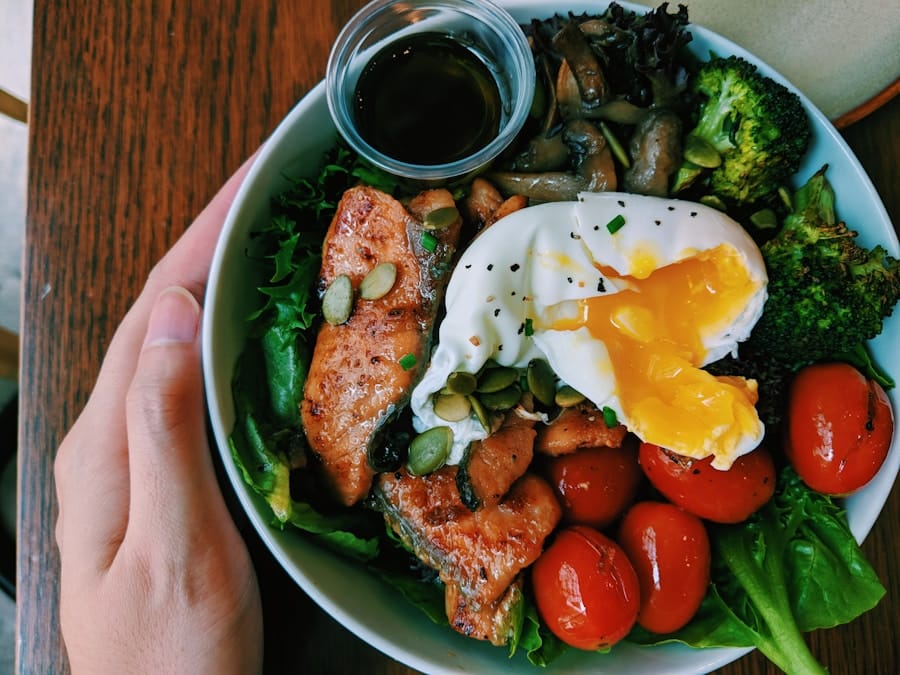
While following a ketogenic diet as a vegetarian or vegan is possible, it does come with its own set of challenges. One of the primary hurdles is ensuring you consume enough protein without relying on traditional animal sources. Many plant-based protein options also contain higher levels of carbohydrates, which can make it difficult to stay within the desired carb limits.
This balancing act requires careful meal planning and an understanding of the nutritional content of various foods. Another challenge is obtaining sufficient nutrients that are typically abundant in animal products. For instance, vitamins B12 and D, omega-3 fatty acids, and iron are often found in higher concentrations in meat and dairy.
As a vegetarian or vegan on a ketogenic diet, you may need to seek fortified foods or consider supplements to ensure you’re meeting your nutritional needs. Additionally, the restrictive nature of the diet can lead to feelings of deprivation or social isolation during meals with friends or family who may not share the same dietary choices.
Tips for Vegetarians and Vegans on a Ketogenic Diet
To successfully navigate a ketogenic diet as a vegetarian or vegan, you’ll want to arm yourself with practical tips that can make the transition smoother. First and foremost, meal prep is essential. Planning your meals in advance allows you to ensure that you have keto-friendly options readily available while avoiding the temptation of high-carb foods.
Consider batch cooking meals that incorporate healthy fats and low-carb vegetables so that you always have something nutritious on hand. Incorporating a variety of low-carb vegetables into your meals is another effective strategy. Leafy greens like spinach and kale, cruciferous vegetables such as broccoli and cauliflower, and other non-starchy options like zucchini and bell peppers can add volume and nutrients without significantly increasing your carb intake.
Additionally, don’t shy away from experimenting with different herbs and spices to enhance the flavor of your dishes. This creativity can help keep your meals exciting and satisfying while adhering to your dietary restrictions.
Nutrient Considerations for Vegetarians and Vegans on a Ketogenic Diet
As you embark on a ketogenic journey while adhering to vegetarian or vegan principles, it’s crucial to pay attention to specific nutrient considerations. One of the most significant concerns is vitamin B12 deficiency since this vitamin is primarily found in animal products. If you’re following a vegan diet, consider fortified foods or supplements to ensure adequate intake.
Regularly monitoring your B12 levels through blood tests can also help you stay on track. Another important nutrient to consider is omega-3 fatty acids. While fish is a common source of omega-3s, vegetarians can turn to flaxseeds, chia seeds, and walnuts as plant-based alternatives.
However, these sources primarily provide ALA (alpha-linolenic acid), which must be converted by the body into the more beneficial EPA (eicosapentaenoic acid) and DHA (docosahexaenoic acid). You may want to explore algae-based supplements that provide direct sources of EPA and DHA for optimal health benefits.
Sample Meal Plans for Vegetarians and Vegans on a Ketogenic Diet
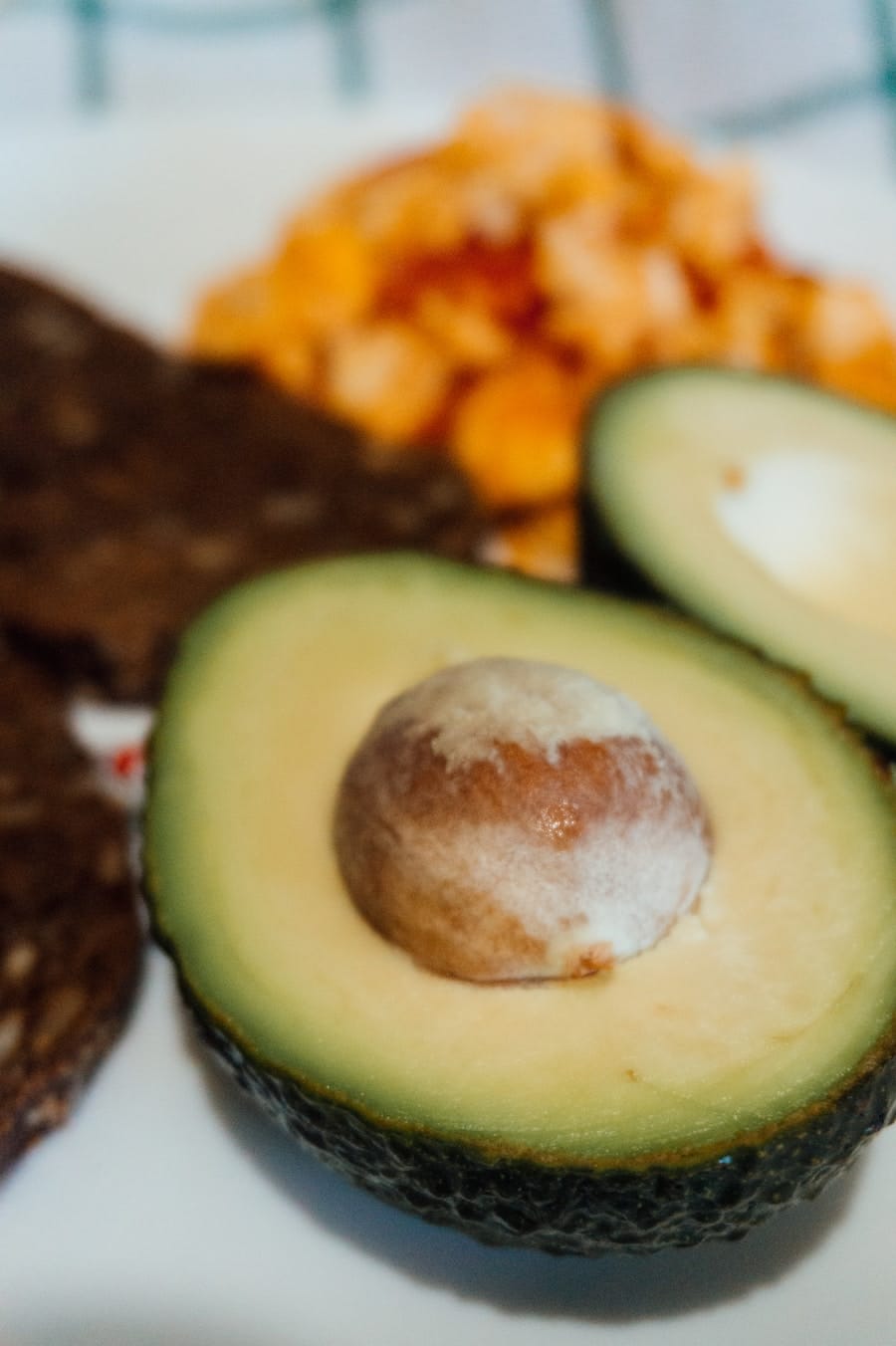
Creating a sample meal plan can help you visualize how to structure your meals while adhering to a vegetarian or vegan ketogenic diet. For breakfast, consider a chia seed pudding made with unsweetened almond milk topped with sliced almonds and berries. This meal provides healthy fats from chia seeds while keeping carbs low.
For lunch, you might enjoy a salad featuring mixed greens topped with avocado, hemp seeds, cherry tomatoes, and a dressing made from olive oil and lemon juice. This combination offers plenty of healthy fats along with essential vitamins and minerals from the vegetables. Dinner could consist of cauliflower rice stir-fried with tofu or tempeh, mixed with low-carb vegetables like bell peppers and broccoli.
Season it with soy sauce or tamari for added flavor. For snacks throughout the day, opt for raw nuts or seeds, guacamole with cucumber slices, or coconut yogurt topped with unsweetened cocoa powder.
Potential Benefits of a Ketogenic Diet for Vegetarians and Vegans
Adopting a ketogenic diet as a vegetarian or vegan can offer several potential benefits beyond weight loss. One significant advantage is improved mental clarity and focus. Many individuals report heightened cognitive function when in ketosis due to the brain utilizing ketones as an efficient energy source.
This mental boost can be particularly beneficial for those juggling busy lifestyles or demanding work schedules. Additionally, some research suggests that ketogenic diets may have anti-inflammatory properties. For vegetarians and vegans who often prioritize whole foods rich in antioxidants—such as fruits and vegetables—this aspect can enhance overall health by potentially reducing inflammation in the body.
Furthermore, the high-fat content of the diet may promote satiety, helping you feel fuller for longer periods and reducing cravings for unhealthy snacks.
Is a Ketogenic Diet Suitable for Vegetarians and Vegans?
In conclusion, while following a ketogenic diet as a vegetarian or vegan presents unique challenges, it is certainly achievable with careful planning and consideration of nutrient needs. By focusing on whole foods rich in healthy fats and low in carbohydrates, you can create satisfying meals that align with both your dietary preferences and health goals. It’s essential to remain mindful of potential nutrient deficiencies and seek out alternative sources or supplements when necessary.
Ultimately, whether a ketogenic diet is suitable for you depends on your individual health goals, lifestyle preferences, and willingness to adapt your eating habits. If approached thoughtfully, this dietary strategy can offer numerous benefits while allowing you to maintain your commitment to vegetarianism or veganism. As always, consulting with a healthcare professional or registered dietitian can provide personalized guidance tailored to your specific needs as you embark on this dietary journey.
FAQs
What is a Ketogenic Diet?
A ketogenic diet is a high-fat, low-carbohydrate diet that has been shown to help with weight loss, improve blood sugar control, and may have other health benefits.
Can Vegetarians Follow a Ketogenic Diet?
Yes, vegetarians can follow a ketogenic diet by focusing on high-fat, low-carbohydrate plant-based foods such as avocados, nuts, seeds, and low-carb vegetables.
Can Vegans Follow a Ketogenic Diet?
It is more challenging for vegans to follow a ketogenic diet due to the restriction of animal products. However, it is still possible for vegans to follow a ketogenic diet by consuming high-fat, low-carbohydrate plant-based foods such as coconut oil, avocados, and nuts.
What are the Benefits of a Ketogenic Diet for Vegetarians and Vegans?
The benefits of a ketogenic diet for vegetarians and vegans may include weight loss, improved blood sugar control, and potential benefits for certain health conditions such as epilepsy and metabolic syndrome.
Are There Any Risks or Concerns for Vegetarians and Vegans Following a Ketogenic Diet?
Some concerns for vegetarians and vegans following a ketogenic diet may include potential nutrient deficiencies, limited food options, and the need for careful meal planning to ensure adequate intake of essential nutrients. It is important for individuals to consult with a healthcare professional or registered dietitian before starting a ketogenic diet.