The ketogenic diet, commonly referred to as the keto diet, is a low-carbohydrate, high-fat eating plan that has gained immense popularity in recent years. At its core, the keto diet aims to shift your body’s metabolism from relying on carbohydrates for energy to utilizing fats instead. This metabolic state is known as ketosis, where your body becomes highly efficient at burning fat for fuel.
By drastically reducing your carbohydrate intake and replacing it with healthy fats, you can encourage your body to enter this state of ketosis, leading to significant weight loss and other health benefits. As you embark on the keto journey, it’s essential to understand the macronutrient breakdown that characterizes this diet. Typically, a standard keto diet consists of approximately 70-75% fats, 20-25% protein, and only about 5-10% carbohydrates.
This drastic reduction in carbs forces your body to adapt and find alternative energy sources, primarily from fats. You may find that this shift not only helps with weight loss but also stabilizes your blood sugar levels and reduces hunger pangs, making it easier to stick to your dietary goals.
Key Takeaways
- The keto diet involves consuming high amounts of healthy fats, moderate protein, and very low carbohydrates to induce a state of ketosis.
- The keto diet helps with belly fat by reducing insulin levels, increasing fat burning, and promoting satiety.
- Intermittent fasting involves cycling between periods of eating and fasting, which can help with belly fat loss and improve metabolic health.
- The science behind intermittent fasting and belly fat reduction lies in its ability to lower insulin levels, increase fat oxidation, and improve hormone sensitivity.
- Combining keto and intermittent fasting can maximize belly fat loss by enhancing the body’s ability to burn fat for fuel and regulate hunger hormones.
How the Keto Diet Helps with Belly Fat
One of the most compelling reasons people turn to the keto diet is its effectiveness in targeting stubborn belly fat. When you reduce your carbohydrate intake, your insulin levels drop significantly. Insulin is a hormone that plays a crucial role in fat storage; lower insulin levels can lead to increased fat burning, particularly in the abdominal area.
As you continue on this diet, your body begins to utilize stored fat for energy, which can lead to a noticeable reduction in belly fat over time. Moreover, the high-fat content of the keto diet can help you feel fuller for longer periods. When you consume healthy fats, such as avocados, nuts, and olive oil, you may experience reduced cravings and a decreased desire to snack throughout the day.
This satiety can be particularly beneficial for those struggling with emotional eating or late-night snacking, which often contributes to weight gain around the midsection. By maintaining a consistent keto lifestyle, you can effectively target belly fat while enjoying satisfying meals.
Intermittent Fasting: What Is It?

Intermittent fasting (IF) is an eating pattern that alternates between periods of eating and fasting. Unlike traditional diets that focus on what you eat, intermittent fasting emphasizes when you eat. There are various methods of intermittent fasting, but the most popular ones include the 16/8 method, where you fast for 16 hours and eat during an 8-hour window, and the 5:2 method, where you consume a normal diet for five days and restrict calorie intake on two non-consecutive days.
The appeal of intermittent fasting lies in its simplicity and flexibility. You don’t have to meticulously count calories or track every morsel of food you consume; instead, you focus on creating a structured eating schedule that fits your lifestyle. Many people find that intermittent fasting not only helps with weight loss but also improves mental clarity and energy levels throughout the day.
As you explore this eating pattern, you may discover that it complements your existing dietary habits and enhances your overall well-being.
The Science Behind Intermittent Fasting and Belly Fat
The science behind intermittent fasting reveals several mechanisms that contribute to belly fat loss. When you fast, your body undergoes various hormonal changes that facilitate fat burning. For instance, insulin levels drop significantly during fasting periods, which encourages your body to utilize stored fat for energy rather than relying on glucose from carbohydrates.
This process can lead to a reduction in visceral fat—the type of fat that accumulates around your organs and is linked to various health issues. Additionally, intermittent fasting can enhance metabolic flexibility, allowing your body to switch between burning carbohydrates and fats more efficiently. Research has shown that this flexibility can lead to improved insulin sensitivity and reduced inflammation, both of which are crucial factors in managing belly fat.
By incorporating intermittent fasting into your routine, you may find that it accelerates your weight loss efforts while promoting overall health.
Combining Keto and Intermittent Fasting for Maximum Belly Fat Loss
When you combine the keto diet with intermittent fasting, you create a powerful synergy that can maximize belly fat loss. The two approaches complement each other beautifully; while the keto diet shifts your metabolism towards fat burning, intermittent fasting enhances this process by allowing your body extended periods without food intake. This combination can lead to accelerated weight loss results and improved metabolic health.
As you integrate both strategies into your lifestyle, you may notice that the benefits compound over time. The keto diet helps regulate hunger hormones and keeps cravings at bay, while intermittent fasting allows for longer periods of fat burning without constant snacking or eating. Together, they create an environment conducive to losing stubborn belly fat while promoting overall wellness.
Tips for Starting a Keto and Intermittent Fasting Routine
Embarking on a keto and intermittent fasting journey requires careful planning and preparation. To start successfully, consider gradually reducing your carbohydrate intake over several days rather than making drastic changes overnight. This approach can help ease your body into ketosis without overwhelming it.
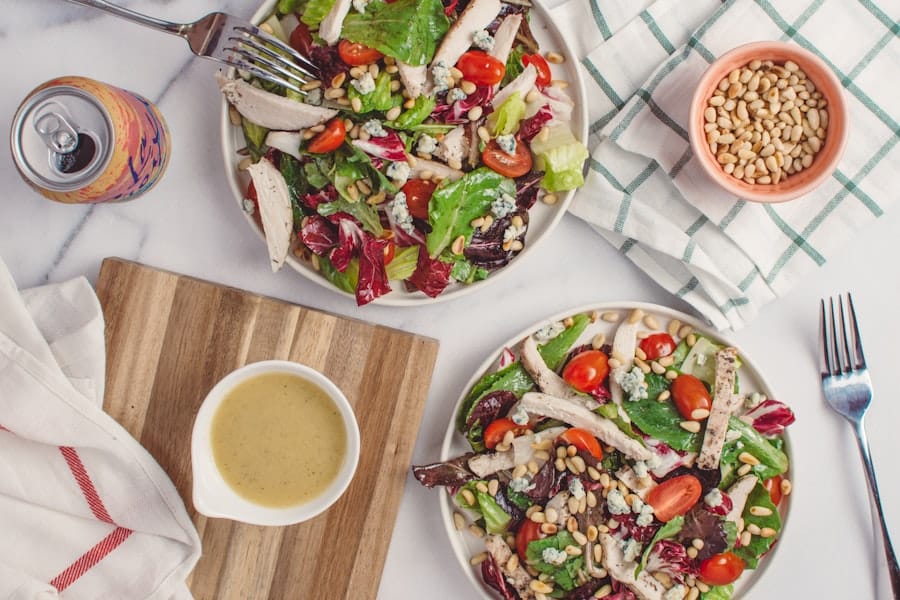
Additionally, familiarize yourself with keto-friendly foods such as leafy greens, fatty fish, eggs, and low-carb snacks to ensure you have plenty of options available. When it comes to intermittent fasting, choose a method that aligns with your lifestyle and preferences. If you’re not a breakfast person, the 16/8 method might work well for you—simply skip breakfast and eat during an 8-hour window later in the day.
Stay hydrated during fasting periods by drinking plenty of water or herbal teas; this can help curb hunger pangs and keep you feeling energized throughout the day.
Common Mistakes to Avoid When Trying Keto and Intermittent Fasting for Belly Fat
As you navigate the world of keto and intermittent fasting, it’s essential to be aware of common pitfalls that could hinder your progress. One frequent mistake is not consuming enough healthy fats on the keto diet. Remember that fats are your primary source of energy on this plan; skimping on them can lead to fatigue and cravings for carbohydrates.
Ensure that your meals are balanced with adequate healthy fats to support your energy levels. Another common error is not listening to your body during intermittent fasting. While it’s important to stick to your eating schedule, it’s equally crucial to pay attention to hunger cues.
If you feel excessively hungry or fatigued during fasting periods, consider adjusting your eating window or meal composition. Finding the right balance between these two approaches is key to achieving sustainable results without compromising your well-being.
Sample Keto and Intermittent Fasting Meal Plan for Belly Fat Loss
Creating a meal plan that aligns with both keto and intermittent fasting principles can simplify your journey toward belly fat loss. For example, if you choose the 16/8 method with an eating window from noon to 8 PM, consider starting with a hearty lunch featuring grilled chicken salad topped with avocado and olive oil dressing. For an afternoon snack, enjoy a handful of nuts or cheese slices paired with cucumber sticks.
As dinner approaches, prepare a delicious meal of baked salmon served with sautéed spinach and cauliflower rice. To satisfy any sweet cravings while staying within keto guidelines, indulge in a small serving of sugar-free dark chocolate or berries after dinner. This sample meal plan provides balanced nutrition while keeping carbohydrates low—perfect for supporting both ketosis and intermittent fasting.
Exercise and Keto: The Perfect Combination for Belly Fat Reduction
Incorporating exercise into your routine while following a keto diet can significantly enhance belly fat reduction efforts. Physical activity not only burns calories but also helps build lean muscle mass, which can boost your metabolism over time. Whether you prefer strength training, cardio workouts, or a combination of both, finding an exercise regimen that suits your preferences will make it easier to stay consistent.
Moreover, exercising while on keto can help mitigate some initial side effects associated with transitioning into ketosis—often referred to as the “keto flu.” Engaging in regular physical activity can improve energy levels and mood while supporting overall health during this dietary shift. As you combine exercise with keto principles, you’ll likely notice more significant changes in your body composition and overall well-being.
Tracking Progress: How to Measure Belly Fat Loss on Keto and Intermittent Fasting
Tracking your progress is essential when following a keto diet combined with intermittent fasting for belly fat loss. While the scale can provide some insight into weight changes, it’s important to consider other metrics as well. Measuring waist circumference is an effective way to gauge changes in belly fat specifically; use a tape measure around the narrowest part of your waist to monitor progress over time.
Additionally, consider taking progress photos every few weeks to visually document changes in your body shape. These images can serve as motivation during challenging times when the scale may not reflect significant changes. By combining various tracking methods—such as measurements, photos, and how your clothes fit—you’ll gain a comprehensive understanding of your progress on this journey.
Maintaining Results: How to Sustain Belly Fat Loss with Keto and Intermittent Fasting
Once you’ve achieved your desired results through keto and intermittent fasting, maintaining those results requires ongoing commitment and mindfulness about your eating habits. Consider adopting a flexible approach where you allow yourself occasional treats while still prioritizing whole foods and healthy fats as staples in your diet. This balance can help prevent feelings of deprivation that often lead to binge eating or reverting back to old habits.
Additionally, continue practicing intermittent fasting even after reaching your goals; this approach can help sustain weight loss while promoting overall health benefits such as improved metabolic function and reduced inflammation. By remaining consistent with both keto principles and intermittent fasting practices, you’ll be better equipped to maintain your hard-earned results long-term while enjoying a fulfilling lifestyle.
FAQs
What is the Keto diet?
The Keto diet is a high-fat, low-carbohydrate eating plan that has been shown to help with weight loss and improve overall health. It involves drastically reducing carbohydrate intake and replacing it with fat, forcing the body into a state of ketosis where it burns fat for energy.
How does the Keto diet help with belly fat?
The Keto diet can help with belly fat because it specifically targets stored fat for energy, including the fat around the abdomen. When the body is in ketosis, it becomes more efficient at burning fat, which can lead to a reduction in belly fat over time.
Are there any scientific studies supporting the effectiveness of Keto for belly fat?
There is some scientific evidence to suggest that the Keto diet can be effective for reducing belly fat. A study published in the Journal of Nutrition and Metabolism found that participants following a ketogenic diet experienced significant reductions in visceral fat, the type of fat that accumulates around the abdomen.
Are there any potential risks or side effects of the Keto diet?
Some potential risks and side effects of the Keto diet include nutrient deficiencies, constipation, kidney stones, and an increased risk of heart disease due to the high intake of saturated fats. It’s important to consult with a healthcare professional before starting any new diet, especially one as restrictive as the Keto diet.
Is the Keto diet suitable for everyone?
The Keto diet may not be suitable for everyone, especially those with certain medical conditions such as diabetes, kidney disease, or eating disorders. Pregnant or breastfeeding women should also approach the Keto diet with caution. It’s important to consult with a healthcare professional before starting the Keto diet to ensure it is safe for your individual circumstances.