Foods On The Ketogenic Diet
The ketogenic diet, often referred to as keto, has gained immense popularity as a high-fat, low-carbohydrate eating plan. As you embark on this culinary journey, it’s essential to understand what foods you can include in your meals and why they matter. This article dives into the world of keto-friendly foods, setting you up for success as you navigate your dietary choices. Let’s get started!

Understanding the Ketogenic Diet
Before diving into specific foods, it’s crucial to understand the basics of the ketogenic diet. This diet drastically reduces carbohydrate intake and replaces it with fat, putting your body into a state known as ketosis. In ketosis, your body becomes incredibly efficient at burning fat for energy instead of relying on carbohydrates. This shift not only helps with weight loss but may also offer benefits like improved mental clarity and stable energy levels throughout the day. On this diet, you’ll need to familiarize yourself with which foods to embrace and which to avoid.
The Importance of Macros
When following a ketogenic diet, you’ll often hear about macronutrients or “macros.” These are the three primary components of your food: carbohydrates, proteins, and fats. Typically, a standard ketogenic diet involves a macro ratio of about 70-75% fats, 20-25% protein, and only about 5-10% carbohydrates. Understanding these ratios is essential as they guide you in choosing the right foods. This unique balance creates the environment where your body can enter ketosis and start utilizing fat as its primary energy source.
Foods to Embrace on the Ketogenic Diet
As you start your ketogenic journey, the first step is filling your plate with the right foods. Let’s explore the key categories of ketogenic-friendly foods.
Healthy Fats
Fats are the cornerstone of the ketogenic diet, and choosing the right types of fat is vital for your health. Incorporate avocados, olive oil, coconut oil, and nuts into your diet. These foods are not just delicious; they are also packed with nutrients and essential fatty acids that your body needs. The monounsaturated fats found in avocados and olive oil can help reduce inflammation and lower bad cholesterol levels.
It’s worth noting that saturated fats, found in products like butter and fatty cuts of meat, can also play a role in a ketogenic diet, but moderation is pivotal. Focus on whole, unprocessed sources of fat to get the most benefits.
By choosing healthy fats, you can keep your energy levels stable throughout the day while feeling satiated. This is a win-win; not only will you enjoy flavorful meals, but you’ll also support your health.
Low-Carb Vegetables
While you may need to cut back on starchy vegetables like potatoes and corn, there is a wide variety of low-carb vegetables you can enjoy. Leafy greens such as spinach, kale, and arugula are excellent choices. They are not only low in carbs, but they are also rich in essential vitamins, minerals, and antioxidants. Bell peppers, zucchini, and broccoli are also great options that bring flavor and texture to your meals without adding unnecessary carbs.
Incorporating these vegetables can aid in keeping your meals nutritious and vibrant. Not only will your meals be more enjoyable, but you’ll also be fueling your body with essential nutrients that often go overlooked in restrictive diets. Plus, having a colorful plate can make healthy eating feel more satisfying.
Proteins
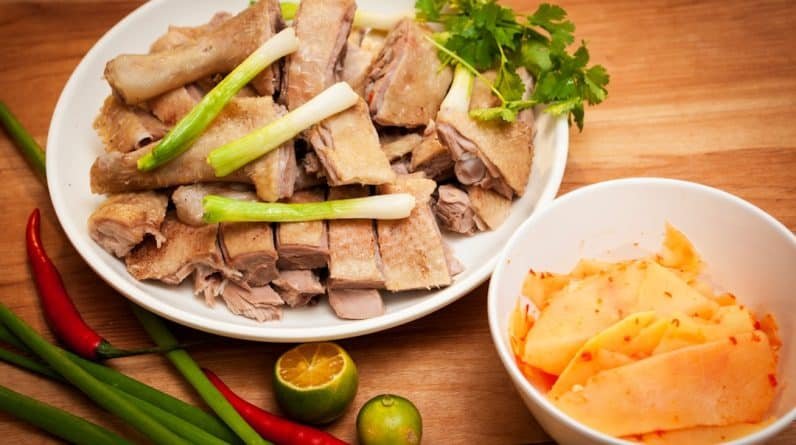
Protein is another crucial component of the ketogenic diet, providing the building blocks your body needs for muscle maintenance and overall health. Focus on high-quality protein sources like grass-fed beef, free-range chicken, wild-caught fish, and pasture-raised eggs. These foods are not only rich in protein but also contain healthy fats that complement your keto regime.
When preparing meals, think about integrating different protein sources in a balanced way. For instance, you can create a delicious stir-fry using chicken and keto-friendly vegetables, enhancing both flavor and nutrition. Remember to keep your portions aligned with your macro goals, ensuring you’re not overindulging in protein, which can potentially kick you out of ketosis if consumed excessively.
Dairy Products
Dairy can be an excellent addition to your ketogenic diet, but it’s essential to choose full-fat versions and stay conscious of your lactose tolerance. Options like heavy cream, sour cream, Greek yogurt, and cheeses such as cheddar, mozzarella, and cream cheese can elevate your meals while contributing healthy fats.
Incorporating dairy can add a creaminess and depth to your dishes. You might whip cream to top off a keto-friendly dessert or sprinkle some cheese on your salads for added flavor. Just keep in mind that moderation is key; while dairy can help you meet your fat intake, too much can also increase your calorie consumption unexpectedly.
Nuts and Seeds
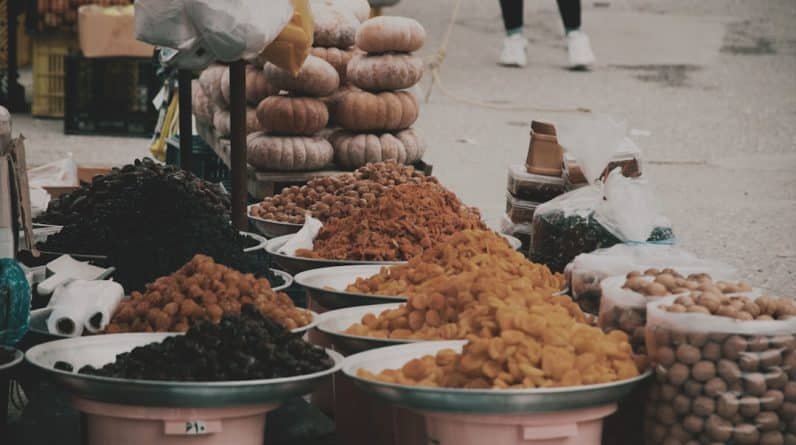
Nuts and seeds are fantastic snacks for those on a ketogenic diet; they are packed with healthy fats, fiber, and protein. Almonds, walnuts, chia seeds, and flaxseeds are all excellent choices. They can be enjoyed raw, roasted, or even blended into smoothies for added nutrition.
Be mindful of portion sizes, as the calories can add up swiftly with nuts. A small handful of almonds can provide a satisfying crunch and a boost of energy without overwhelming your daily macro goals. If you’re in a pinch, a mix of nuts can also serve as a convenient snack when you’re on the go, helping you maintain those energy levels.
Stevia and Erythritol
If your sweet tooth is still intact on your keto journey, you’ll be thrilled to know that there are various keto-friendly sweeteners available. Stevia and erythritol, both natural sweeteners, are low in carbohydrates and won’t spike your blood sugar levels, making them ideal for your ketogenic lifestyle.
You can use these sweeteners to sweeten your favorite keto desserts or coffee without compromising your diet. Just be aware of your body’s response to these sweeteners; some individuals might experience digestive issues with erythritol. It’s about finding what works best for you while still enjoying the sweeter things in life.
Berries
While many fruits are high in sugar and carbs, berries are a delightful exception on the ketogenic diet. Strawberries, raspberries, blackberries, and blueberries are lower in carbohydrates and can be enjoyed in moderation. They are also rich in antioxidants, fiber, and vitamins, making them a nutritious addition to your meals or snacks.
Think of incorporating these juicy morsels into your breakfast by tossing them into your keto-friendly yogurt or blending them into a smoothie. The burst of flavor will satisfy your cravings while keeping your carb intake in check.

Foods to Avoid on the Ketogenic Diet
While knowing which foods to embrace is essential, knowing what to avoid is just as critical. Let’s discuss the foods that will hinder your progress on a ketogenic diet.
Sugary Foods and Beverages
High-sugar foods and drinks are an outright no-go on a ketogenic diet. This includes sugary snacks like candy, pastries, cakes, and even sweeteners with high glycemic indices. These foods not only pack on the carbs but can also cause significant spikes in blood sugar levels, making it challenging for your body to enter ketosis.
Instead of reaching for that sugary snack, consider healthier alternatives like nuts or cheese. Your body will thank you for steering clear of these sugar-laden temptations.
Grains and Starches
Grains are packed with carbohydrates and should be avoided on a ketogenic diet. This includes bread, pasta, rice, and cereals. While they may seem like staple foods, they can quickly derail your efforts in achieving and maintaining ketosis.
If you’re craving a hearty meal, think outside the box. You could swap out rice for cauliflower rice or use lettuce leaves as a wrap instead of bread. By utilizing creative substitutes, you can enjoy satisfying meals without the excess carbs.
High-Carb Fruits
Although fruit is typically considered healthy, many fruits are high in sugar and therefore not suitable for a strict ketogenic diet. This includes bananas, grapes, apples, and oranges. These fruits can contribute significant carbohydrates and may impede your ability to reach ketosis.
However, as mentioned before, low-carb fruits like berries can be enjoyed in moderation. It’s all about making informed choices and adapting your diet to fit your goals.
Processed Foods
Processed foods should largely be avoided on a ketogenic diet. They often contain hidden sugars, unhealthy fats, and unnecessary preservatives that can compromise your health. This includes pre-packaged snacks, frozen meals, and junk foods that don’t provide any nutritional value.
Instead, focus on whole, unprocessed foods that can nourish your body. Meal prepping and cooking from scratch are excellent habits to adopt. You’ll have much more control over what you’re putting into your body, ensuring it aligns with your dietary goals.
Meal Ideas for a Ketogenic Diet
Now that you’ve got a solid understanding of the foods to eat and avoid, let’s get those creative juices flowing with some meal ideas. Finding inspiration in the kitchen can make your journey more enjoyable and encourage you to stick with it.
Breakfast
Starting your day with a keto breakfast can set the tone for the rest of your day. Try a vegetable omelet with cheese and avocado on top. This packed breakfast is not only satisfying but will also fuel your morning with healthy fats and proteins. Another fantastic option is keto pancakes made with almond flour; pair them with a little bit of cream cheese for a delicious start to your day.
Lunch
For lunch, consider a refreshing salad loaded with low-carb veggies, grilled chicken, and a zesty olive oil dressing. Or, how about a lettuce wrap? Fill it with your choice of deli meats, cheese, and mustard, offering a delightful crunch and burst of flavor. These meals not only taste fantastic but also keep you full and energized throughout your day.
Dinner
Dinner can be an exciting opportunity to explore new flavors on the ketogenic diet. Think about baking a salmon fillet topped with lemon and herbs while serving it on a bed of steamed broccoli drizzled with olive oil. Another option could be to make zucchini noodles served with a homemade meat sauce; you’ll love the satisfying flavors without the carbs of traditional pasta.
Snacks
Don’t forget about snacks; they are crucial for keeping your energy levels high throughout the day. Options like cheese sticks, boiled eggs, or a handful of nuts can help fight off hunger pangs. You can also whip up some guacamole to dip your low-carb veggies in for a satisfying, flavorful treat.
Staying on Track
As you continue your journey on the ketogenic diet, it’s important to recognize that maintaining this lifestyle can come with challenges. It’s completely normal to face hurdles; therefore, staying committed to your goals will make a noticeable difference.
Keep Educating Yourself
One of the best ways to stay on track is by continuously educating yourself on the ketogenic diet. Read articles, watch videos, and engage with the keto community. Learning from others’ experiences can provide you with valuable insights and tips, making your journey feel less solitary.
Meal Prep
Meal prepping can be your best friend. Designating one day a week to prepare your meals can alleviate stress during your busy weekdays. Set aside time to plan and cook different meals, stock your fridge with keto snacks, and keep your macros in check.
Listen to Your Body
Always listen to your body and its signals. Adjust your food choices based on how your body responds. Some people might feel better when they include more fat, while others may do well with slightly higher protein levels. It’s essential to pay attention to what feels right for you and adapt your diet accordingly.
Conclusion
Embarking on a ketogenic diet can be a rewarding experience if you equip yourself with the right knowledge and foresight. By understanding the foods you should embrace while also recognizing those to avoid, you’ll make informed choices that help you reach your dietary goals. Remember to keep your meals delicious and satisfying; after all, food is not just fuel; it should also bring joy to your life!
Don’t forget to clap for this article, leave a comment with your thoughts or experiences, and subscribe to my Medium newsletter for updates and insights on all things keto. Happy eating!