
You’ve probably heard about the popular trend of the keto diet, but there’s been a lot of speculation surrounding its potential negative effects. In this article, we’ll explore whether the keto diet is truly bad for you or if it’s just another case of misunderstood health fads. So, let’s uncover the truth behind the keto diet and shed some light on its potential risks and benefits.
Health Risks of the Keto Diet
The ketogenic diet has gained popularity in recent years as a weight loss tool, but it is essential to be aware of the potential health risks associated with this dietary approach. While the keto diet may yield short-term weight loss results, it can also lead to various negative consequences for your health. In this article, we will explore the different health risks of the keto diet, ranging from nutrient deficiencies to cardiovascular issues and increased risk of cancer. It is important to keep these risks in mind before embarking on a ketogenic diet journey.
Nutrient Deficiencies on Keto Diet
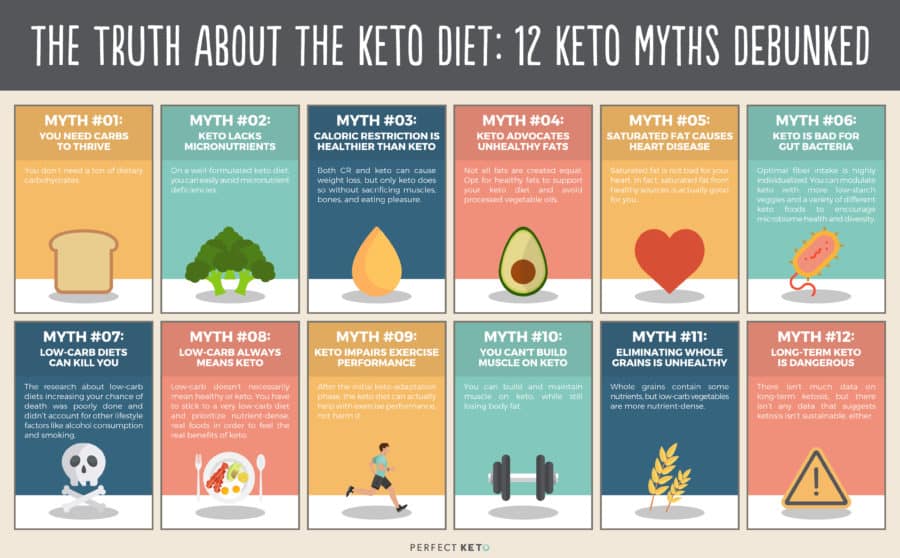
One of the primary concerns with the keto diet is the limited food choices it offers, which can result in nutrient deficiencies. By drastically reducing carbohydrate intake, the keto diet restricts several food groups, leading to a potential lack of essential nutrients. Fruits, vegetables, and whole grains, known for their high nutrient content, are often limited on a keto diet. As a result, you may not be consuming an adequate amount of vitamins, minerals, and fiber, which are vital for overall health and wellbeing.
Keto Flu and its Effects
A well-known phenomenon associated with the initial stages of a keto diet is the “keto flu.” This temporary condition presents with flu-like symptoms such as fatigue, headaches, nausea, and dizziness. The keto flu occurs due to the body’s adjustment to a low-carbohydrate state and the shift from using carbohydrates to fat as the primary fuel source. While the symptoms are usually short-lived, they can make it challenging to adhere to the diet. Additionally, the risk of dehydration and electrolyte imbalances is higher during this period, further adding to the discomfort.

Liver Problems Associated with Keto Diet
The keto diet heavily relies on the consumption of fats, particularly saturated fats. While the body can metabolize and utilize fats efficiently, excessive intake of fats on a long-term basis can lead to liver problems. Some studies have shown a potential association between the keto diet and fatty liver disease, which occurs when excessive fat accumulates in the liver cells. This condition can result in changes in liver function, impairing its ability to metabolize fats effectively. It also increases the risk of liver inflammation, known as hepatocellular injury.
Kidney Stones as a Potential Risk
Another health risk associated with the keto diet is an increased risk of developing kidney stones. The formation of kidney stones involves the deposition of certain substances, notably calcium oxalate, in the urinary tract. A ketogenic state promotes the release of less urine, leading to a higher concentration of calcium oxalate and a greater likelihood of stone formation. Moreover, the kidneys may face difficulty in excreting calcium oxalate, further exacerbating the risk of kidney stones. It is crucial to monitor kidney health while following the keto diet, as this potential risk should not be overlooked.
Cardiovascular Issues Linked to Keto Diet
The impact of the keto diet on cardiovascular health has been a topic of debate among experts. While some claim that the diet may improve certain cardiovascular risk factors, others argue that it can lead to adverse effects. The diet’s high-fat content can alter cholesterol levels, potentially leading to an increased risk of heart disease. Elevated levels of low-density lipoprotein (LDL) cholesterol, often referred to as “bad” cholesterol, have been observed in certain individuals following a keto diet. Additionally, the diet may result in decreased levels of high-density lipoprotein (HDL) cholesterol, which is considered beneficial for heart health. Furthermore, the potential for arterial damage cannot be disregarded, making it crucial to evaluate the cardiovascular risks associated with the keto diet carefully.
Increased Risk of Osteoporosis on Keto Diet
Osteoporosis, a condition characterized by reduced bone density and an increased risk of fractures, is another potential health risk associated with the keto diet. Research suggests a negative association between the ketogenic diet and bone health. The diet’s restrictive nature limits the consumption of calcium-rich foods such as dairy products and fortified plant-based alternatives, as well as vitamin D sources like fatty fish and eggs. Insufficient intake of these essential nutrients can contribute to low bone mineral density, increasing the risk of osteoporosis and fractures. It is crucial to prioritize bone health while following the keto diet and consider alternative approaches to prevent bone-related complications.

Possible Link Between Keto Diet and Cancer
The potential link between the keto diet and cancer is an area that requires further investigation. Some studies suggest that the ketogenic diet may impact insulin levels, potentially promoting the growth of cancer cells. Additionally, limited evidence indicates that a high-fat diet, such as the keto diet, may activate certain genes related to cancer development. However, more research is needed to establish a definitive connection between the keto diet and cancer. It is essential to consult with healthcare professionals before making any dietary choices, especially if you have a personal or family history of cancer.
Unpleasant Side Effects of Keto Diet
While not directly impacting your health in a severe manner, the keto diet can bring about some unpleasant side effects. Two common side effects include halitosis, more commonly known as bad breath, and a metallic taste in the mouth. These side effects are often a result of the body producing ketones, which can alter breath odor and taste perception. Although not life-threatening, these side effects may affect social interactions and self-confidence, making it important to consider these factors when choosing the keto diet.

Importance of Balanced Macronutrient Intake
Maintaining a balanced macronutrient intake is crucial for overall health and wellbeing. Carbohydrates, fats, and proteins play unique roles in the body, and an extreme imbalance in their consumption can pose risks. The keto diet drastically reduces carbohydrate intake while increasing fat consumption. While this approach may have short-term benefits for some individuals, it is essential to consider the potential long-term consequences. Personalized dietary approaches that take into account individual needs and goals are vital to ensure a balanced macronutrient intake and minimize potential risks.
In conclusion, while the keto diet may offer short-term weight loss benefits, it is important to weigh the potential health risks associated with this dietary approach. Nutrient deficiencies, keto flu, liver problems, kidney stones, cardiovascular issues, osteoporosis, increased risk of cancer, unpleasant side effects, and macro imbalances are all factors to consider. It is crucial to consult with healthcare professionals and consider a personalized approach to diet and nutrition to ensure optimal health and wellbeing. Remember, achieving sustainable and long-term weight loss is best achieved through a balanced and varied diet, coupled with regular physical activity.


