Have you ever wondered how the food you eat can significantly impact your diabetes management? The choices you make at mealtime can be crucial for maintaining stable blood sugar levels. One increasingly popular option is the ketogenic diet, which focuses on reducing carbohydrate intake and increasing fats. Let’s take a closer look at how this diet can be effective for managing diabetes.

Understanding Diabetes
Diabetes is a chronic condition that affects how your body processes glucose, the sugar found in the foods you consume. There are two primary types of diabetes: Type 1 and Type 2.
Type 1 Diabetes
In Type 1 diabetes, your body does not produce insulin, a hormone that enables glucose to enter your cells. This type usually develops in children or young adults, but it can occur at any age. If you have Type 1 diabetes, you’ll need to manage your blood sugar levels with insulin injections or an insulin pump.
Type 2 Diabetes
Type 2 diabetes is more common and involves insulin resistance. In this case, your body may produce insulin, but its effectiveness is reduced, leading to elevated blood sugar levels. This type often develops later in life and can be influenced by genetics, lifestyle, and diet. Managing Type 2 diabetes often involves a combination of lifestyle changes and medications.
What is the Ketogenic Diet?
The ketogenic diet, often referred to as the keto diet, is a low-carbohydrate, high-fat eating plan that aims to put your body into a state of ketosis. In ketosis, your body burns fat for energy instead of carbohydrates, which can help reduce inflammation and improve insulin sensitivity. Let’s break down the key components of the ketogenic diet:
Macronutrient Composition
- Carbohydrates: Typically limited to about 5-10% of your total caloric intake.
- Fats: Should make up approximately 70-80% of your calories.
- Proteins: Usually account for around 15-25%.
This drastic reduction in carbohydrates can lead to significant changes in your metabolism. When you consume very few carbs, your body turns to fat for energy, producing ketones as a byproduct. These ketones can serve as a more stable energy source than glucose, which can be especially beneficial for those managing diabetes.

The Benefits of the Ketogenic Diet for Diabetes Management
Now that you have a basic understanding of the ketogenic diet, let’s take a look at how it can specifically help in managing diabetes.
Improved Blood Sugar Control
One of the most significant benefits of a ketogenic diet is its ability to help stabilize blood sugar levels. By consuming fewer carbohydrates, you can reduce the frequency and intensity of blood sugar spikes. This can be particularly helpful for those with Type 2 diabetes, as it may require less insulin and lead to fewer hypoglycemic episodes.
Weight Loss and Insulin Sensitivity
For many individuals, excess weight can worsen insulin resistance. The ketogenic diet can promote weight loss by encouraging your body to burn fat for energy. Losing weight can enhance insulin sensitivity, making it easier for your body to process glucose efficiently. This can translate into better blood sugar management over time.
Reduced Hunger and Cravings
People often report diminished feelings of hunger and cravings on a ketogenic diet. This is likely due to the high-fat content, which can promote feelings of fullness and satisfy your appetite. Fewer cravings can lead to more consistent food choices, further stabilizing blood sugar levels.
Lowered Blood Pressure and Improved Heart Health
Adopting a ketogenic diet may help lower blood pressure, which is crucial in reducing your risk of diabetes-related complications. Additionally, it can contribute to improved cholesterol levels by increasing your HDL (good cholesterol) and decreasing your triglycerides.
Getting Started with the Ketogenic Diet
Transitioning to a ketogenic diet may seem daunting at first, but with the right approach, you can make the shift smoothly. Here are some practical tips to help you get started:
Educate Yourself
Understanding the fundamentals of the ketogenic diet is vital. Familiarize yourself with what foods are high or low in carbohydrates, as well as appropriate portion sizes.
Meal Planning
Once you have a good grasp of the diet, start planning your meals. Creating a weekly meal plan can simplify grocery shopping, cooking, and adherence to the diet. Consider incorporating variety to keep your meals interesting.
Stocking Your Kitchen
Fill your kitchen with keto-friendly foods, such as:
- Proteins: Meat, fish, eggs, and dairy products.
- Fats: Healthy oils like olive oil, coconut oil, avocados, and nuts.
- Vegetables: Non-starchy options like leafy greens, broccoli, and zucchini.
Monitoring Your Blood Sugar
As you make dietary changes, keep a close eye on your blood sugar levels. This will help you understand how your body responds to the ketogenic diet and allow you to make adjustments as necessary.
Gradual Transition
If you’re currently consuming a high-carbohydrate diet, consider gradually reducing your carb intake rather than making the switch overnight. This can help your body adapt to ketosis without experiencing extreme side effects.

Potential Risks and Considerations
While there are many benefits associated with the ketogenic diet, it’s essential to consider potential risks, especially if you have diabetes.
Nutrient Deficiency
Cutting out many food groups can lead to deficiencies in vital nutrients. Consider taking supplements to cover key vitamins and minerals you might miss. Be sure to consult your healthcare provider before starting any new supplement regimen.
Keto Flu
When transitioning to a ketogenic diet, some people experience “keto flu,” a collection of symptoms like fatigue, headache, or irritability as your body adjusts to ketosis. Staying hydrated and ensuring you are getting electrolytes can alleviate these symptoms.
Professional Guidance
If you’re considering a significant dietary change, it’s always a good idea to consult with a healthcare professional or a registered dietitian. They can provide tailored advice and monitoring to align your diet with your diabetes management plan.
Individual Variation
Every individual is different, and what works for one person may not work for another. It’s essential to pay attention to your body’s signals and maintain open communication with your healthcare team throughout your journey.
Meal Ideas for a Ketogenic Diet
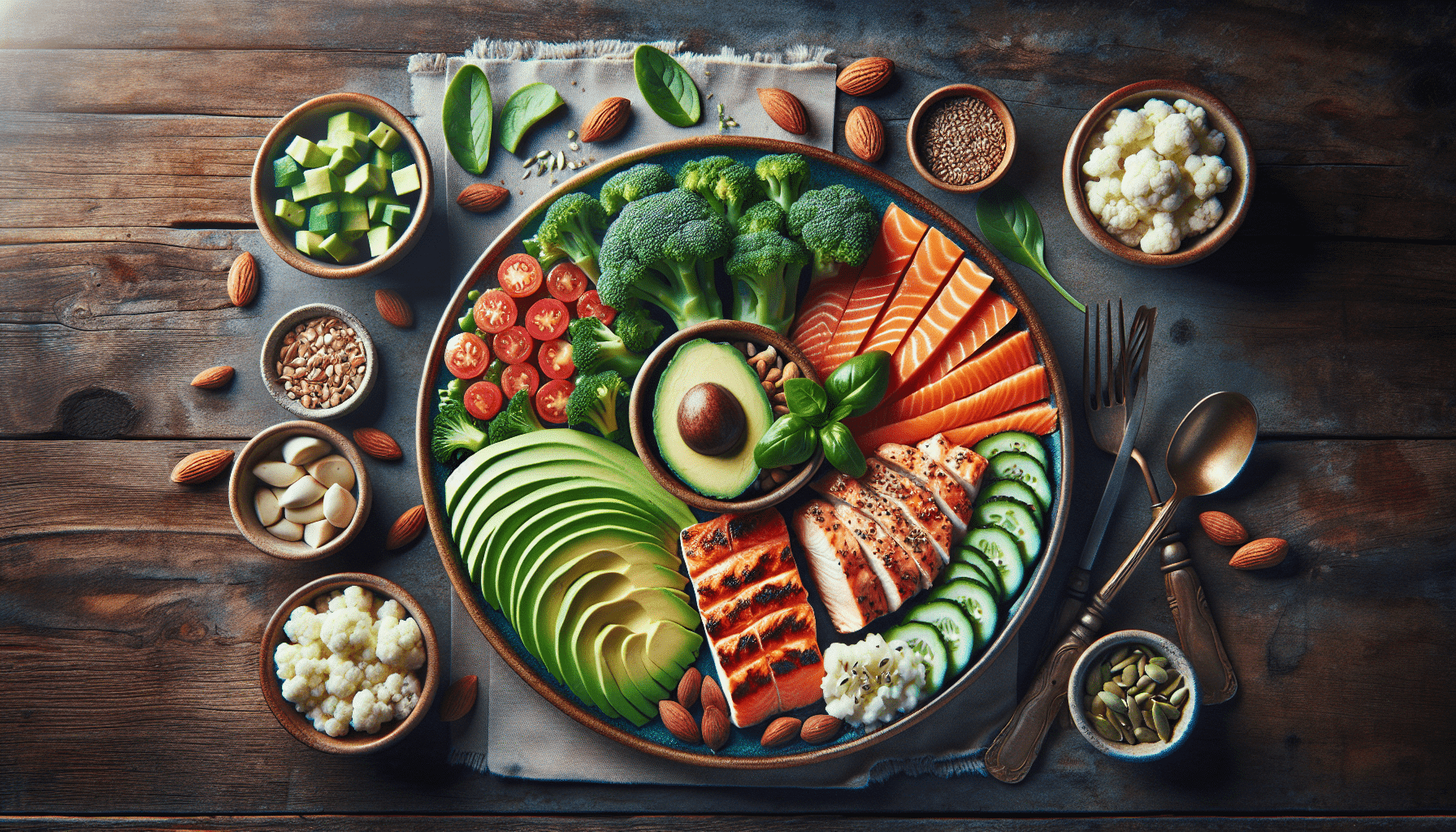
Having a variety of meal options is crucial to staying motivated and adhering to a new eating plan. Here are some tasty and easy meal ideas that fit within the ketogenic guidelines:
Breakfast Ideas
-
Scrambled Eggs with Spinach and Cheese
Cook eggs in olive oil, add fresh spinach, and your choice of cheese for a nutritious start to the day. -
Avocado Smoothie
Blend avocado, unsweetened almond milk, a handful of spinach, and a scoop of your favorite protein powder for a filling breakfast.
Lunch Ideas
-
Grilled Chicken Salad
Top a bed of leafy greens with grilled chicken, avocado, walnuts, and a low-carb dressing, like olive oil and vinegar. -
Zucchini Noodles with Pesto
Use a spiralizer to create noodles from zucchini, sauté with olive oil, and mix with fresh pesto for a delicious low-carb meal.
Dinner Ideas
-
Baked Salmon with Asparagus
Season salmon fillets with herbs and lemon, bake them in the oven, and serve with a side of roasted asparagus for a satisfying dinner. -
Stuffed Peppers
Fill bell peppers with a mixture of ground meat, tomatoes, and seasonings, then bake until the peppers are tender.
Snack Ideas
-
Nut Butter with Celery
Dip celery sticks into almond or peanut butter for a crunchy and satisfying snack. -
Cheese Crisps
Bake small piles of shredded cheese until they are crispy for a quick and easy low-carb treat.
Monitoring Progress
After implementing the ketogenic diet, it’s crucial to monitor your progress. Here are some ways you can track your success:
Blood Sugar Levels
Regularly checking your blood sugar levels can offer insights into how the ketogenic diet is affecting your diabetes management. Look for trends and patterns that can guide your dietary choices.
How You Feel
Pay attention to how your body feels while on the diet. Are you experiencing sustained energy levels? Are you finding it easier to manage cravings? Your overall well-being is a significant indicator of how well the diet is working for you.
Weight Changes
Keep an eye on your weight and body measurements as you adjust to the diet. While weight loss is commonly associated with the ketogenic approach, it’s important to remember that the goal is to achieve and maintain healthy body composition rather than focusing solely on the number on the scale.
Conclusion
Managing diabetes can often feel overwhelming, but making informed dietary choices can significantly improve your quality of life. The ketogenic diet is one such option that offers numerous benefits for blood sugar control, weight management, and overall health. As you consider this dietary approach, remember that it’s essential to stay flexible and listen to your body while working closely with healthcare professionals.
As you embark on your journey towards better diabetes management through the ketogenic diet, know that you are taking an essential and positive step for your health. With the right approach, you can find a balance that works for you, paving the way towards a healthier lifestyle.