Are you considering starting a keto diet but wondering if beans are allowed? Look no further! In this article, we will explore the topic of “Keto Diet Beans Keto Diet Bad For You.” We will delve into the potential drawbacks of consuming beans on a keto diet and provide valuable insights to help you make informed decisions about your dietary choices. Keep reading to discover the truth behind the compatibility of beans and the keto diet!
Introduction
Welcome to a comprehensive guide on the role of beans in the keto diet. If you’re following the keto diet or considering it, you may have wondered whether beans can be a part of your meal plan. In this article, we will explore the keto diet, its benefits, and principles, as well as the relationship between beans and the keto diet. We will discuss the nutritional profile of beans, their impact on ketosis, and potential benefits and drawbacks of including beans in a keto diet. Additionally, we will offer alternative bean options and considerations for individuals following the keto diet. So let’s dive in and learn more about beans and the keto diet!
Understanding the Keto Diet
Definition of the Keto Diet
The keto diet, short for ketogenic diet, is a low-carbohydrate, high-fat diet that aims to enter a state of ketosis. Ketosis occurs when the body shifts from using carbohydrates as its primary source of energy to using fat. By significantly reducing carbohydrate intake and increasing fat consumption, the body enters a metabolic state where it produces ketones from fat breakdown, which then serve as an alternative fuel source for the body.
Benefits of the Keto Diet
The keto diet has gained popularity due to its potential benefits. Some of the advantages of the keto diet include weight loss, improved insulin sensitivity, increased mental clarity, and enhanced energy levels. The diet may also have therapeutic effects on certain medical conditions, such as epilepsy, type 2 diabetes, and polycystic ovary syndrome (PCOS).
Basic Principles of the Keto Diet
The basic principles of the keto diet involve consuming a high amount of healthy fats, a moderate amount of protein, and a minimal amount of carbohydrates. Typically, the macronutrient ratio on the keto diet consists of approximately 70-75% fats, 20-25% protein, and 5-10% carbohydrates. By strictly limiting carbohydrates, the keto diet aims to keep insulin levels low and encourage the body to burn fat for fuel.
The Role of Beans in the Keto Diet
Can Beans Be Consumed on a Keto Diet?
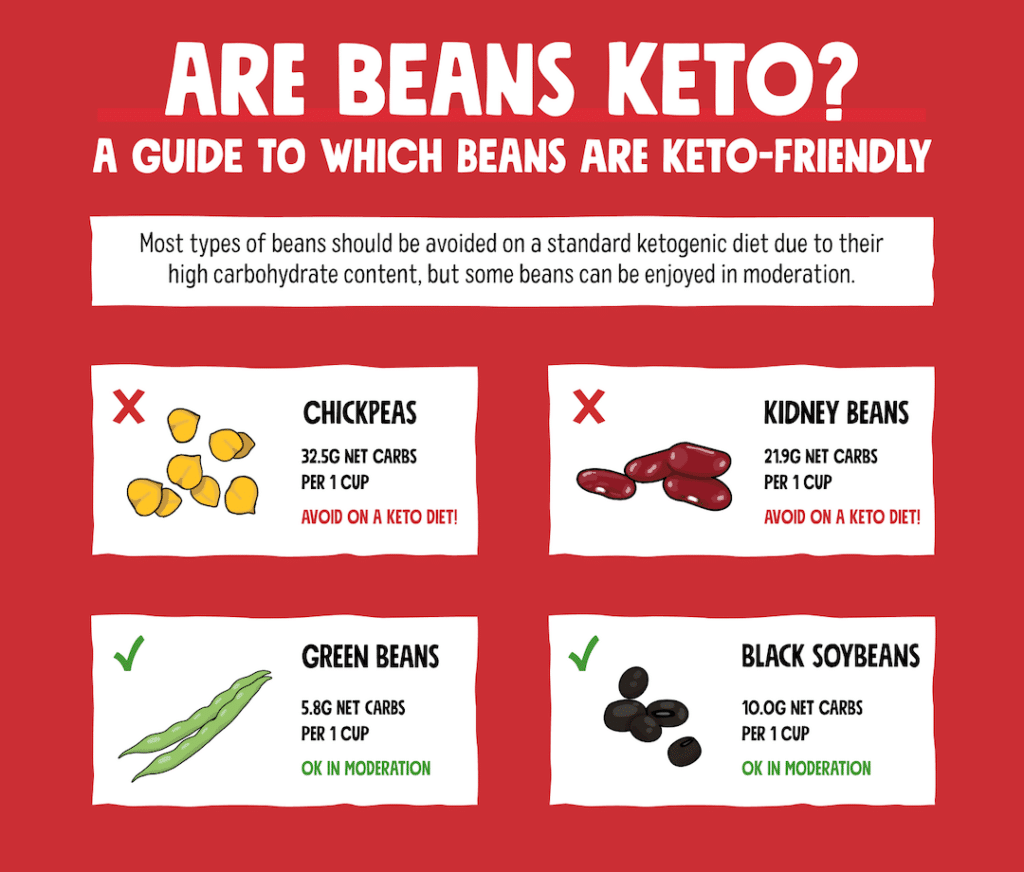
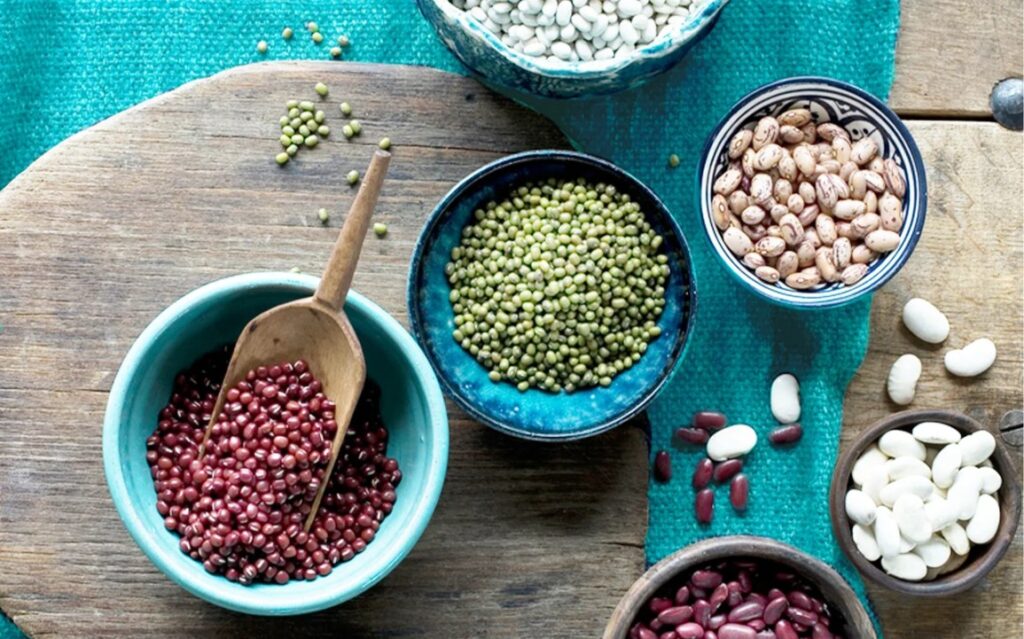
Beans are often a staple in many diets due to their versatility and nutritional value. However, when it comes to the keto diet, beans may need to be consumed in moderation due to their carbohydrate content. While beans offer various health benefits, their higher carbohydrate count might not align with the strict carbohydrate restrictions of the keto diet.
Carbohydrate Content in Different Types of Beans
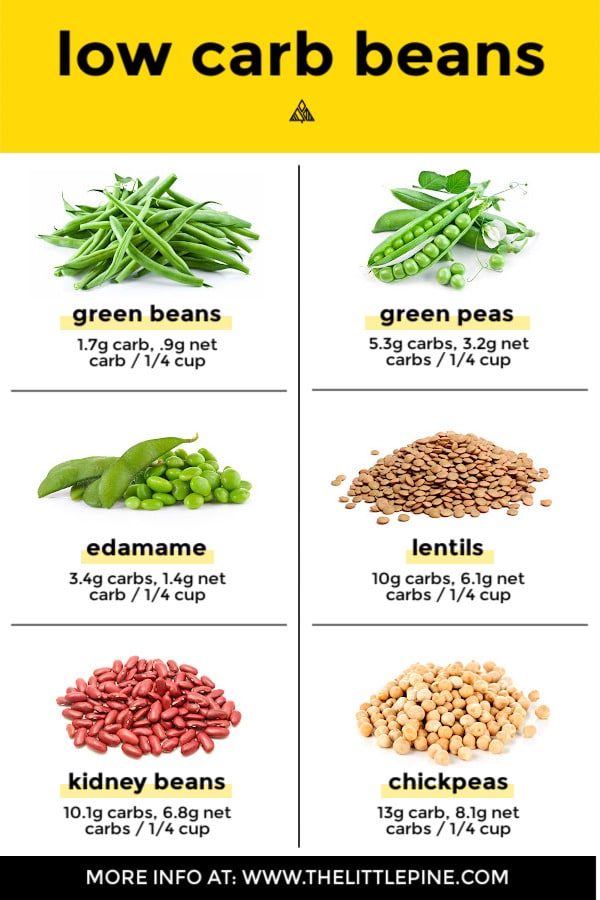
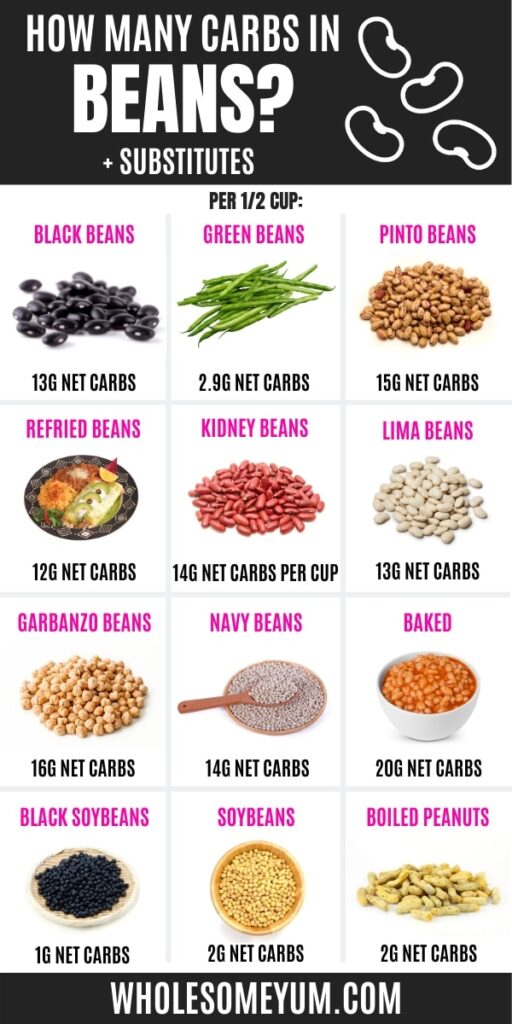
Different types of beans have varying carbohydrate content. For example, black beans contain approximately 41 grams of carbs per cup, pinto beans have around 45 grams per cup, and kidney beans contain about 40 grams per cup. These carb counts can have a significant impact on the overall carbohydrate intake for individuals following the keto diet.
The Keto Diet and Its Relationship with Beans
Importance of Low Carbohydrate Intake in the Keto Diet
One of the key principles of the keto diet is maintaining a low carbohydrate intake. By doing so, the body is forced to utilize fat as its primary source of fuel, which can lead to weight loss and other potential benefits. Therefore, it is essential to carefully consider the carbohydrate content of foods, including beans, when following a strict keto diet.
Effect of Beans on Ketosis
For individuals aiming to achieve and maintain ketosis, the consumption of high-carbohydrate foods, such as beans, can be challenging. The carbohydrates in beans can quickly add up and potentially hinder the body’s ability to stay in ketosis. This is due to the spike in blood sugar levels that occurs with carbohydrate consumption, which can interfere with the state of ketosis.
Can Beans Fit into a Modified Keto Diet?
While beans may not be suitable for individuals following a strict keto diet, they may still have a place in a modified or cyclical keto diet. Modified keto diets allow for slightly higher carbohydrate intake, typically up to 50 grams per day, while cyclical keto diets involve cycling between periods of strict keto and higher carbohydrate intake. In these variations, small portions of beans may be included, but it is crucial to monitor overall carbohydrate intake to ensure it aligns with individual goals.
Potential Benefits of Including Beans in a Keto Diet
Nutritional Profile of Beans
Beans offer several essential nutrients that can be beneficial for overall health. They are an excellent source of dietary fiber, protein, vitamins, and minerals, including folate, magnesium, and potassium. Incorporating beans into a keto diet can contribute to meeting nutritional needs and provide a range of health benefits.
Fiber Content in Beans
Beans are particularly rich in dietary fiber, which is vital for healthy digestion, blood sugar management, and satiety. Fiber can help regulate bowel movements, lower cholesterol levels, and promote feelings of fullness. Including beans in the keto diet can support fiber intake and potentially improve gastrointestinal health.
Protein Content in Beans
Beans are an excellent plant-based source of protein, making them a valuable addition to vegetarian or vegan keto diets. Protein is essential for building and repairing tissues, supporting muscle health, and aiding in various physiological processes. Incorporating beans ensures an adequate protein intake while following a keto diet.
Phytonutrients in Beans
Beans contain various phytonutrients, including flavonoids and antioxidants, which offer protective benefits against chronic diseases. These compounds have anti-inflammatory and antioxidant properties, which may help reduce the risk of heart disease, certain cancers, and cognitive decline. Incorporating beans in the keto diet can provide a rich array of these phytonutrients.
Drawbacks of Beans on the Keto Diet
Higher Carbohydrate Count in Beans
One of the primary drawbacks of beans in the keto diet is their relatively high carbohydrate content. While beans offer many nutritional benefits, they can be challenging to include in significant amounts without exceeding daily carbohydrate limits. The higher carbohydrate count can interfere with achieving and maintaining a state of ketosis.
Impact of Beans on Blood Sugar Levels
The carbohydrates in beans can lead to an increase in blood sugar levels, especially when consumed in larger quantities. This rise in blood sugar can result in the release of insulin, potentially hindering ketosis and counteracting the desired effects of the keto diet. Monitoring portion sizes and overall carbohydrate intake is crucial when considering including beans in the diet.
Potential Challenges with Digestion
Some individuals may experience digestive discomfort when consuming beans due to their high fiber content. This can result in symptoms such as gas, bloating, and abdominal pain. It’s important to be mindful of your body’s response to beans and adjust your intake accordingly to avoid any digestive issues.
Alternative Bean Options for the Keto Diet
Bean Types with Lower Carbohydrate Content
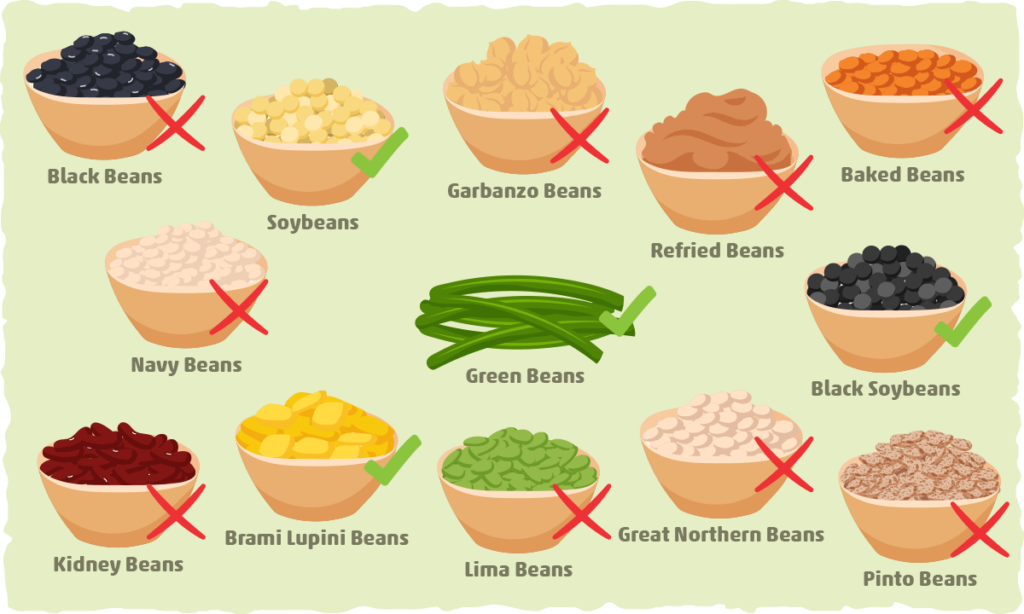
If you’re determined to include beans in your keto diet, some options have a lower carbohydrate content compared to traditional beans. For example, green beans, also known as string beans, contain only about 5 grams of carbs per cooked cup. Additionally, soybeans have approximately 4 grams of carbs per cooked cup. Including these lower-carb options may allow for more flexibility in incorporating beans while still adhering to the principles of the keto diet.
Preparing Beans to Reduce Carbohydrate Count
Another way to make beans more keto-friendly is to soak and prepare them properly. Soaking beans before cooking can help reduce their carbohydrate content by eliminating some of the starches. Additionally, opting for smaller portions and pairing beans with high-fiber vegetables can help balance the overall carb intake and minimize any potential negative effects on ketosis.
Considerations for the Keto Diet
Individual Variation in Carbohydrate Tolerance
Every individual’s carbohydrate tolerance varies, even within the keto diet community. What works for one person may not work for another. It’s important to listen to your body and assess how different foods, including beans, impact your body’s ability to remain in ketosis. Experimentation, self-awareness, and personalized adjustments are keys to success when following the keto diet.
Balancing Macronutrients on the Keto Diet
To optimize the benefits of the keto diet, it’s essential to strike a balance between macronutrients. While reducing carbohydrate intake is crucial, getting enough healthy fats and adequate protein is equally important. Be mindful of portion sizes and focus on incorporating a variety of high-quality fats and protein sources while considering including beans in your keto diet.
Personalized Approach to the Keto Diet
Understanding that the keto diet is not a one-size-fits-all approach is fundamental to long-term success. Personal preferences, dietary restrictions, and individual goals should all be considered when determining whether and how to include beans in a keto diet. Consulting a healthcare professional or a registered dietitian experienced in the keto diet can provide personalized guidance and ensure that you’re making choices that align with your specific needs.
Consulting a Healthcare Professional
Importance of Professional Advice
Before making any significant changes to your diet, it is crucial to consult a healthcare professional or a registered dietitian. They can assess your specific health needs, provide clarification on the keto diet, and offer guidance tailored to your individual circumstances. They will consider factors such as medical history, current health conditions, and any medications or supplements you may be taking before making recommendations.
Discussing the Keto Diet with a Healthcare Provider
When consulting a healthcare professional about the keto diet and its relationship with beans, be prepared to discuss your goals, dietary preferences, and concerns. Providing detailed information will help the healthcare provider offer tailored advice regarding whether including beans in your keto diet is appropriate for you and how to do so in a way that aligns with your health objectives.
Conclusion
In conclusion, beans can pose challenges when following a strict keto diet due to their carbohydrate content. However, in modified or cyclical variations of the keto diet, small amounts of beans can potentially be included. Beans offer numerous nutritional benefits, including fiber, protein, and phytonutrients, which make them a valuable addition to any diet. It’s essential to consider individual carbohydrate tolerance, balance macronutrients, and consult with a healthcare professional to determine the optimal approach for incorporating beans into a keto diet. By making informed choices and personalizing the keto diet, you can enjoy the benefits of beans while still achieving your health and wellness goals.