
As you embark on your journey into the world of Clean Keto, you may find yourself intrigued by the potential benefits this dietary approach offers. Clean Keto is not just a variation of the traditional ketogenic diet; it emphasizes the quality of the foods you consume while still adhering to the low-carb, high-fat principles that define keto. This means that instead of simply focusing on macronutrient ratios, you also pay attention to the nutritional value and source of your food.
By choosing whole, unprocessed foods, you can enhance your overall health and well-being while enjoying the benefits of ketosis. The Clean Keto lifestyle encourages you to be mindful of what you put on your plate. It’s about nourishing your body with wholesome ingredients that support your health goals rather than just cutting carbs.
This approach can lead to improved energy levels, better mental clarity, and even weight loss. As you delve deeper into Clean Keto, you’ll discover how to make informed choices that align with your health objectives, allowing you to thrive on this dietary path.
Key Takeaways
- Clean Keto focuses on consuming whole, unprocessed foods and avoiding refined sugars and unhealthy fats.
- The basics of the Keto diet involve consuming high-fat, moderate-protein, and low-carb foods to induce ketosis in the body.
- Clean Keto foods include lean meats, fish, non-starchy vegetables, nuts, seeds, and healthy fats like avocado and olive oil.
- Foods to avoid on a Clean Keto diet include processed snacks, grains, high-carb fruits, dairy products with added sugars, and unhealthy oils.
- Refined sugars and sweeteners, processed foods, grains, starches, high-carb fruits, and unhealthy oils should be limited or eliminated for Clean Keto success.
Understanding the Basics of Keto Diet
To fully appreciate Clean Keto, it’s essential to grasp the fundamentals of the ketogenic diet itself. At its core, the keto diet is designed to shift your body’s primary energy source from carbohydrates to fats. By drastically reducing your carbohydrate intake and increasing your fat consumption, your body enters a metabolic state known as ketosis.
In this state, your liver converts fats into ketones, which serve as an alternative fuel source for your brain and body. As you begin to understand the mechanics of ketosis, you’ll realize that not all fats are created equal. The traditional keto diet often allows for a wide range of food choices, but Clean Keto takes it a step further by prioritizing high-quality fats and nutrient-dense foods.
This means opting for avocados, nuts, seeds, and healthy oils while avoiding unhealthy trans fats and processed oils. By focusing on whole foods, you can ensure that your body receives the essential nutrients it needs to function optimally while still enjoying the benefits of a low-carb lifestyle.
Identifying Clean Keto Foods
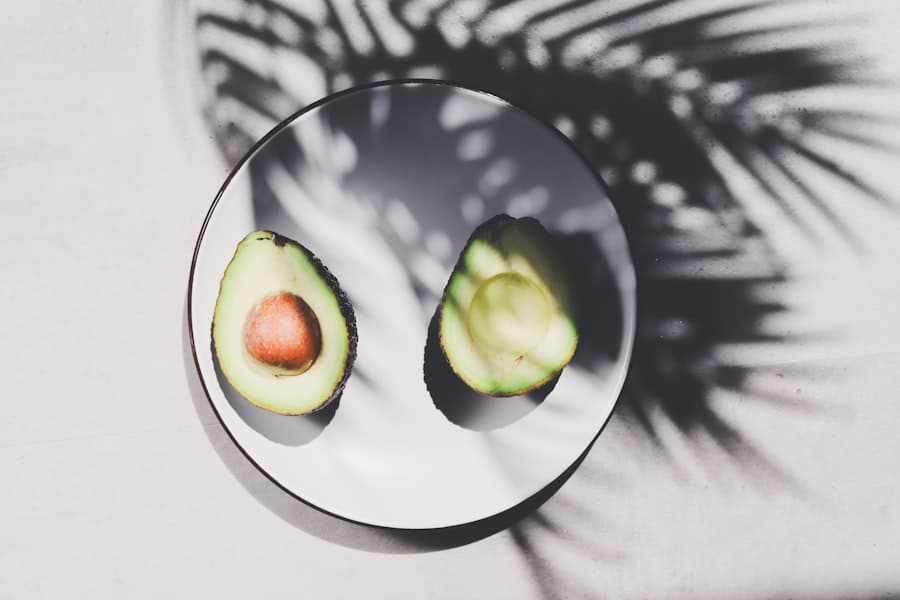
When it comes to Clean Keto, identifying the right foods is crucial for your success. You’ll want to fill your plate with a variety of whole foods that are rich in nutrients and low in carbohydrates. Leafy greens like spinach, kale, and arugula are excellent choices, as they are low in calories and high in vitamins and minerals.
Additionally, non-starchy vegetables such as broccoli, cauliflower, and zucchini can add bulk to your meals without compromising your carb limits. Protein sources are also vital in a Clean Keto diet. Opt for high-quality meats like grass-fed beef, pasture-raised chicken, and wild-caught fish.
These options not only provide essential amino acids but also come from animals that have been raised in healthier environments. Eggs are another fantastic protein source; they are versatile and packed with nutrients. Incorporating these clean protein sources into your meals will help you feel satisfied while keeping your carb intake in check.
Foods to Avoid on a Clean Keto Diet
While Clean Keto allows for a variety of delicious foods, there are certain items you should steer clear of to maintain the integrity of your diet. Processed foods are often laden with hidden sugars and unhealthy additives that can derail your progress. These items may include pre-packaged meals, sugary snacks, and fast food options that may seem convenient but offer little nutritional value.
Additionally, it’s important to be cautious about certain condiments and sauces that can contain hidden sugars or unhealthy fats. For instance, many store-bought salad dressings and marinades are packed with added sugars and preservatives. Instead, consider making your own dressings using healthy oils like olive oil or avocado oil combined with vinegar or lemon juice for flavor without the unwanted additives.
Refined Sugar and Sweeteners
Refined sugar is one of the most significant culprits in a standard diet, and it’s something you’ll want to avoid on Clean Keto. Not only does refined sugar spike your blood sugar levels, but it also provides empty calories with no nutritional benefits. When following a Clean Keto lifestyle, it’s essential to eliminate sugary snacks, desserts, and beverages from your diet.
Instead of reaching for refined sugars, consider natural sweeteners that have a lower glycemic index and fewer carbs. Options like stevia or erythritol can provide sweetness without the negative effects associated with traditional sugar. However, moderation is key; even natural sweeteners can impact some individuals differently.
Experimenting with these alternatives can help you find what works best for your palate while keeping your carb intake in check.
Processed Foods and Snacks
Processed foods are often convenient but can be detrimental to your Clean Keto journey. Many processed snacks are high in unhealthy fats, sugars, and preservatives that can hinder your progress toward ketosis. Items like chips, cookies, and pre-packaged meals may seem appealing due to their convenience but often lack the nutritional density that whole foods provide.
To stay on track with Clean Keto, focus on whole food snacks that satisfy your cravings without compromising your health goals. Nuts and seeds make excellent snacks; they are nutrient-dense and provide healthy fats that keep you feeling full. Additionally, consider preparing homemade snacks like kale chips or cheese crisps for a satisfying crunch without the guilt associated with processed options.
Grains and Starches
Grains and starchy foods are typically high in carbohydrates and should be avoided on a Clean Keto diet. Foods like bread, pasta, rice, and potatoes can quickly push you over your daily carb limit and prevent you from entering or maintaining ketosis. While these items may be staples in many diets, they do not align with the principles of Clean Keto.
Instead of grains and starches, explore alternative options that provide similar textures or flavors without the carbs. For example, cauliflower rice can serve as a fantastic substitute for traditional rice dishes, while zucchini noodles can replace pasta in many recipes. By getting creative with these alternatives, you can enjoy satisfying meals without sacrificing your dietary goals.
High-Carb Fruits
Fruits are often considered healthy due to their vitamins and antioxidants; however, many fruits are also high in natural sugars and carbohydrates. On a Clean Keto diet, it’s essential to be mindful of the types of fruits you consume. Bananas, grapes, and apples are examples of fruits that can quickly add up in carbs and may not be suitable for your dietary needs.
Instead of high-carb fruits, opt for lower-carb options such as berries—strawberries, raspberries, and blackberries are all excellent choices that provide antioxidants without excessive sugar content. These fruits can be enjoyed in moderation as part of a balanced Clean Keto diet while still allowing you to satisfy your sweet tooth.
Dairy Products with Added Sugars
Dairy products can be a great source of protein and healthy fats on a Clean Keto diet; however, it’s crucial to choose wisely when it comes to dairy options. Many dairy products available in stores contain added sugars or artificial flavorings that can undermine your efforts to maintain ketosis. Flavored yogurts or sweetened creamers may seem appealing but often come with hidden carbs that can derail your progress.
To stay aligned with Clean Keto principles, opt for full-fat dairy products without added sugars. Plain Greek yogurt or cottage cheese can be excellent choices when consumed in moderation. Additionally, consider using unsweetened almond milk or coconut milk as alternatives to traditional dairy products in recipes or beverages.
Unhealthy Oils and Fats
The type of fats you consume plays a significant role in your overall health while following a Clean Keto diet. While healthy fats are encouraged—such as those from avocados, nuts, seeds, and olive oil—unhealthy oils should be avoided at all costs. Trans fats found in many processed foods can lead to inflammation and other health issues that counteract the benefits of a ketogenic lifestyle.
When cooking or preparing meals on Clean Keto, focus on using healthy oils like extra virgin olive oil or avocado oil for sautéing or dressing salads. These oils not only provide essential fatty acids but also offer flavor without compromising your health goals. By being mindful of the fats you include in your diet, you can enhance both the taste and nutritional value of your meals.
Conclusion and Tips for Clean Keto Success
As you navigate the world of Clean Keto, remember that success lies in making informed choices about the foods you consume. Prioritizing whole foods over processed options will not only help you achieve ketosis but also support your overall health and well-being. Embrace the journey by experimenting with new recipes and discovering delicious ways to incorporate clean ingredients into your meals.
Additionally, staying hydrated is crucial while following any ketogenic diet. Drinking plenty of water will help keep you energized and support metabolic processes within your body. Consider tracking your food intake using apps or journals to ensure you’re meeting your macronutrient goals while staying true to Clean Keto principles.
In conclusion, Clean Keto offers a sustainable approach to achieving ketosis while prioritizing nutrient-dense foods that nourish your body. By understanding what foods to embrace and which ones to avoid, you can create a balanced diet that supports both weight loss and overall health. With dedication and mindfulness in your food choices, you’ll be well on your way to enjoying the benefits of this lifestyle for years to come.
FAQs
What are some clean keto foods to avoid?
Some clean keto foods to avoid include processed meats, artificial sweeteners, high-carb vegetables, and low-quality fats.
Why should I avoid processed meats on a clean keto diet?
Processed meats often contain added sugars, preservatives, and other additives that can hinder your progress on a clean keto diet. Opt for fresh, unprocessed meats instead.
What are some examples of artificial sweeteners to avoid on a clean keto diet?
Some artificial sweeteners to avoid on a clean keto diet include aspartame, sucralose, and saccharin. These sweeteners can disrupt blood sugar levels and may have negative effects on overall health.
Why should I avoid high-carb vegetables on a clean keto diet?
High-carb vegetables such as potatoes, carrots, and beets can quickly add up in terms of carb count, making it difficult to stay in ketosis. Stick to low-carb vegetables like leafy greens, broccoli, and cauliflower.
What are some examples of low-quality fats to avoid on a clean keto diet?
Low-quality fats to avoid on a clean keto diet include hydrogenated oils, vegetable oils, and margarine. These fats can contribute to inflammation and may not provide the health benefits associated with high-quality fats like avocado oil, olive oil, and grass-fed butter.





