
In recent years, the popularity of ketogenic and low-carb diets has surged, captivating the attention of health enthusiasts and those seeking effective weight loss strategies. You may have heard about these diets through social media, health blogs, or even from friends who have experienced significant transformations. Both diets emphasize reducing carbohydrate intake, but they do so in different ways and with varying goals.
Understanding the nuances of each can help you make informed decisions about your dietary choices. As you embark on your journey to better health, it’s essential to grasp the fundamental principles behind these diets. The ketogenic diet, often referred to as “keto,” is a high-fat, moderate-protein, and very low-carbohydrate eating plan that aims to shift your body into a state of ketosis.
In contrast, a low-carb diet allows for a broader range of carbohydrate intake while still promoting reduced consumption compared to traditional eating patterns. By exploring these diets in detail, you can determine which approach aligns best with your lifestyle and health objectives.
Key Takeaways
- Ketogenic and low-carb diets focus on reducing carbohydrate intake to promote weight loss and improve overall health.
- The ketogenic diet involves drastically reducing carb intake and increasing fat intake to induce a state of ketosis, where the body burns fat for fuel.
- The low-carb diet focuses on simply reducing overall carb intake without necessarily increasing fat intake to the same extent as the ketogenic diet.
- The key difference between the two diets lies in the level of carb restriction and the emphasis on fat intake to achieve ketosis.
- The ketogenic diet may offer benefits such as weight loss, improved blood sugar control, and enhanced mental clarity, while the low-carb diet may also promote weight loss and better blood sugar management.
Understanding the Ketogenic Diet
Benefits of the Ketogenic Diet
You may find that this shift not only aids in weight loss but also enhances mental clarity and energy levels. When following a ketogenic diet, you will primarily consume foods high in healthy fats, such as avocados, nuts, seeds, olive oil, and fatty fish. Moderate protein sources like eggs and poultry are also included, while starchy vegetables, grains, and sugars are largely eliminated.
Initial Weight Loss and Nutritional Needs
This unique macronutrient composition can lead to rapid weight loss initially, as the body sheds excess water weight and begins to utilize stored fat for energy. However, it’s important to approach this diet with caution and ensure you are meeting your nutritional needs.
Important Considerations
Remember to be mindful of your nutritional intake when following a ketogenic diet to avoid any potential health risks.
Understanding the Low-carb Diet
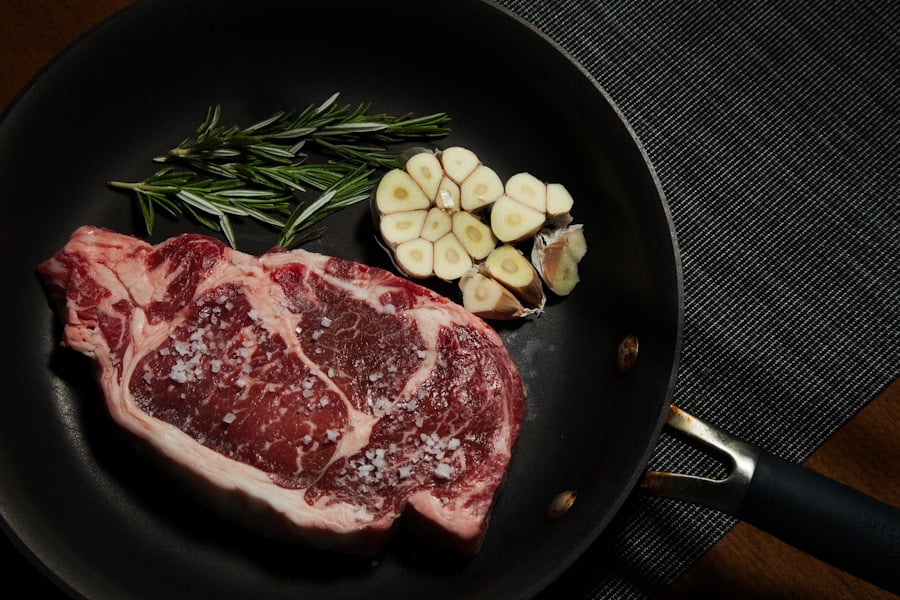
A low-carb diet is more flexible than the ketogenic approach, allowing for a wider range of carbohydrate intake while still encouraging a reduction compared to standard dietary practices. Typically, a low-carb diet may consist of anywhere from 50 to 150 grams of carbohydrates per day. This flexibility can make it easier for you to incorporate various foods into your meals without feeling overly restricted.
You might find that this approach suits your lifestyle better if you enjoy a diverse array of foods. In a low-carb diet, you will still focus on consuming whole foods while minimizing processed options. Lean proteins, healthy fats, non-starchy vegetables, and some fruits are staples of this eating plan.
Unlike the ketogenic diet, you won’t necessarily be aiming for ketosis; instead, the goal is to reduce insulin levels and promote fat burning through lower carbohydrate consumption. This can lead to gradual weight loss and improved metabolic health without the stringent requirements of a strict ketogenic regimen.
Key Differences Between Ketogenic and Low-carb Diets
While both ketogenic and low-carb diets share the common goal of reducing carbohydrate intake, their fundamental differences lie in the extent of that reduction and the resulting metabolic effects. The ketogenic diet is characterized by its very low carbohydrate allowance, which is essential for achieving ketosis. In contrast, a low-carb diet allows for a more moderate intake of carbohydrates, making it more accessible for many individuals.
Another key difference is the macronutrient composition. On a ketogenic diet, you will consume a higher percentage of calories from fats—often around 70-80%—with moderate protein intake and minimal carbohydrates. Conversely, a low-carb diet may have a more balanced macronutrient distribution, allowing for greater protein consumption while still keeping carbohydrates lower than traditional diets.
This distinction can significantly impact how you feel on each diet and how sustainable they are for your long-term health goals.
Benefits of the Ketogenic Diet
The ketogenic diet offers several potential benefits that may appeal to you if you’re looking for effective weight loss strategies or improved health markers. One of the most notable advantages is rapid weight loss due to the body’s shift into ketosis. As your body begins to burn fat for fuel, you may notice significant changes in your body composition within weeks.
This initial success can be motivating and encourage you to stick with the diet. Additionally, many individuals report enhanced mental clarity and focus while on a ketogenic diet. The brain thrives on ketones as an energy source, which can lead to improved cognitive function and reduced brain fog.
Furthermore, some studies suggest that the ketogenic diet may have therapeutic benefits for certain neurological conditions, such as epilepsy and Alzheimer’s disease. If you’re seeking not only weight loss but also cognitive benefits, this diet may be worth considering.
Benefits of the Low-carb Diet

The low-carb diet also presents numerous benefits that can be appealing depending on your personal preferences and health goals. One significant advantage is its flexibility; since it allows for a broader range of carbohydrate intake compared to the ketogenic diet, you may find it easier to adhere to in social situations or when dining out. This flexibility can lead to a more sustainable approach to long-term weight management.
Moreover, research indicates that low-carb diets can effectively improve various health markers such as blood sugar levels, triglycerides, and cholesterol profiles. By reducing carbohydrate intake, you may experience better insulin sensitivity and lower blood sugar spikes after meals. This can be particularly beneficial if you’re managing conditions like prediabetes or type 2 diabetes.
If you value a balanced approach that still promotes health improvements without extreme restrictions, a low-carb diet might be the right fit for you.
Potential Risks and Considerations for Ketogenic and Low-carb Diets
While both ketogenic and low-carb diets offer potential benefits, it’s crucial to be aware of their risks and considerations before diving in headfirst. The ketogenic diet can lead to nutrient deficiencies if not carefully planned; since it restricts many food groups, you may miss out on essential vitamins and minerals found in fruits, whole grains, and legumes. Additionally, some individuals experience what is commonly referred to as the “keto flu” during the initial transition period as their bodies adapt to burning fat instead of carbohydrates.
On the other hand, while low-carb diets are generally considered safer due to their flexibility, they can still pose risks if not approached mindfully. Over-restricting carbohydrates can lead to unhealthy eating patterns or an imbalance in macronutrients if not properly managed. It’s essential to ensure that you’re still consuming adequate fiber from non-starchy vegetables and whole foods to support digestive health.
Choosing the Right Diet for You
Ultimately, choosing between a ketogenic or low-carb diet depends on your individual preferences, lifestyle, and health goals. If you’re looking for rapid weight loss and are willing to commit to strict dietary guidelines, the ketogenic diet may be an effective option for you. However, if you prefer a more balanced approach that allows for greater food variety and flexibility in social situations, a low-carb diet might be more suitable.
Before making any significant dietary changes, consider consulting with a healthcare professional or registered dietitian who can help tailor an eating plan that meets your specific needs. They can provide guidance on how to implement either diet safely while ensuring you receive adequate nutrition. Remember that the best diet is one that fits seamlessly into your life while promoting long-term health and well-being.
FAQs
What is a Ketogenic Diet?
A ketogenic diet is a high-fat, low-carbohydrate diet that is designed to put the body into a state of ketosis, where it burns fat for fuel instead of carbohydrates.
What is a Low-carb Diet?
A low-carb diet is a diet that restricts the intake of carbohydrates, typically focusing on consuming more protein and fat instead.
What is the Difference Between a Ketogenic Diet and a Low-carb Diet?
The main difference between the two is the level of carbohydrate restriction. A ketogenic diet is extremely low in carbohydrates, typically around 20-50 grams per day, while a low-carb diet may allow for a higher intake of carbohydrates, usually around 50-150 grams per day.
What are the Benefits of a Ketogenic Diet?
Some potential benefits of a ketogenic diet include weight loss, improved blood sugar control, and increased mental clarity and focus.
What are the Benefits of a Low-carb Diet?
A low-carb diet may also lead to weight loss and improved blood sugar control, as well as reduced cravings and hunger.
Are There Any Risks Associated with Ketogenic or Low-carb Diets?
Both types of diets may lead to nutrient deficiencies if not carefully planned, and some people may experience side effects such as fatigue, constipation, or bad breath when first starting a ketogenic diet. It’s important to consult with a healthcare professional before making significant changes to your diet.





