In this article, you will explore the fascinating connection between the keto diet and epilepsy. Discover how this high-fat, low-carb dietary approach has shown promising effects in reducing seizure activity in individuals with epilepsy. Learn about the science behind the keto diet’s impact on brain function and understand why it has gained recognition as a potential treatment option for some epilepsy patients. Gain insights into the potential benefits and challenges of adopting a keto diet for epilepsy management, and uncover the success stories of individuals who have experienced positive outcomes from this innovative approach.
What is the Keto Diet?
Definition of the Keto Diet
The Keto Diet, short for ketogenic diet, is a low-carbohydrate, high-fat diet that has been widely studied and used as a therapeutic approach for various medical conditions, including epilepsy. It involves reducing carbohydrate intake to a minimum while increasing fat intake significantly. The purpose of this drastic change in macronutrient ratio is to shift the body into a metabolic state called ketosis, where it primarily uses fat for fuel instead of carbohydrates.
How the Keto Diet Works
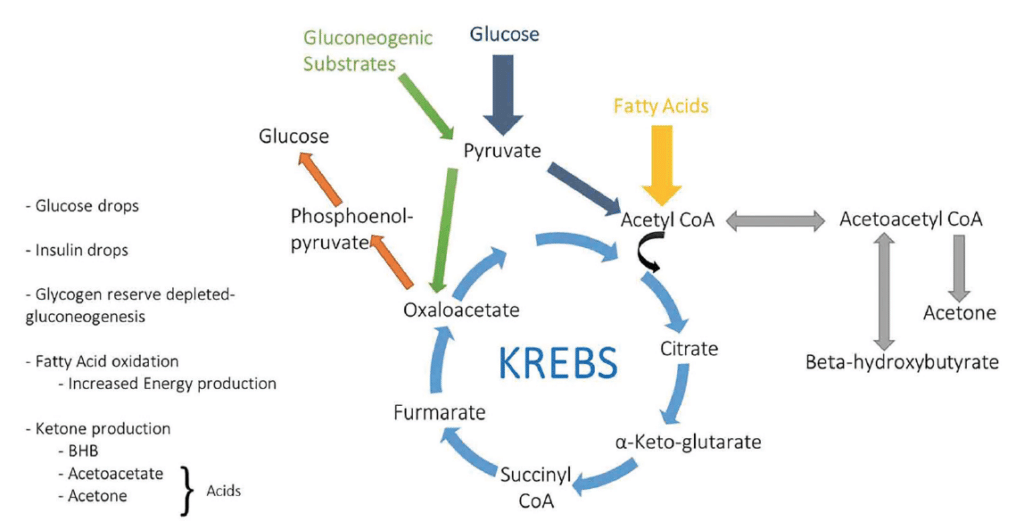
When you consume a high amount of carbohydrates, your body breaks them down into glucose, which is then transported and used as the primary source of energy. However, in the absence of carbohydrates due to strict carbohydrate restriction, the body turns to an alternative energy source – fat. By consuming a diet high in healthy fats, moderate in protein, and very low in carbohydrates, you can force your body to enter ketosis. In this state, your liver starts producing ketones, which are molecules derived from fat breakdown, to be used as an energy source by the brain and other organs.
Main Principles of the Keto Diet
The Keto Diet is based on three main principles:
- Low Carbohydrate Intake: In order to achieve ketosis, it is essential to limit carbohydrate intake to a certain extent. This generally involves consuming no more than 50 grams of carbohydrates per day, although some individuals may need to restrict further depending on their specific needs and goals.
- High Fat Intake: The Keto Diet emphasizes consuming a high amount of healthy fats to replace the calories lost from carbohydrates. Avocado, nuts and seeds, olive oil, and fatty fish are all good sources of healthy fats.
- Moderate Protein Intake: While the focus of the Keto Diet is on consuming high amounts of fat, it is also important to maintain moderate protein intake. Consuming too much protein can potentially interfere with the metabolic state of ketosis.
Understanding Epilepsy
Definition of Epilepsy
Epilepsy is a neurological disorder characterized by recurrent and unpredictable seizures. Seizures occur due to abnormal electrical activity in the brain, causing temporary disruptions in normal brain function. Epilepsy can affect people of all ages, and its severity can vary from mild to severe, impacting daily activities and overall quality of life.
Causes and Triggers of Epilepsy
The exact cause of epilepsy is often unknown. However, certain factors can contribute to its development, such as genetics, brain tumors, head injuries, infections, or prenatal injuries. Additionally, seizures can be triggered by various factors, including lack of sleep, stress, intense emotions, hormonal changes, alcohol or drug withdrawal, and flickering lights.
Types of Epilepsy
There are different types of epilepsy, classified based on the characteristics of seizures and the part of the brain affected. Some common types include focal seizures, generalized seizures, absence seizures, and tonic-clonic seizures. Each type presents with unique symptoms and requires tailored treatment approaches.

The Relationship Between Keto Diet and Epilepsy
Historical Background of Using the Keto Diet for Epilepsy
The use of the Keto Diet for epilepsy dates back to the 1920s when Dr. Russell Wilder at the Mayo Clinic developed the diet as a treatment for epilepsy. At that time, medication options were limited, and the Keto Diet showed promising results in reducing seizure frequency in individuals with epilepsy. However, with the introduction of antiepileptic drugs, the popularity of the diet declined.
Mechanisms of How the Keto Diet Helps with Epilepsy
The exact mechanisms by which the Keto Diet helps with epilepsy are still not entirely understood. However, there are several theories. One possibility is that the transition to ketosis alters brain metabolism, making it less prone to seizures. Another theory suggests that the production of ketones may have an anti-seizure effect. Additionally, the Keto Diet may have beneficial effects on neurotransmitters and neuronal excitability, contributing to seizure control.
Keto Diet and Seizure Control
Effects of the Keto Diet on Seizure Frequency
Numerous studies have shown that the Keto Diet can be effective in reducing seizure frequency and, in some cases, achieving complete seizure control. Research has demonstrated that approximately 50% of children and adults with epilepsy experience a significant reduction in seizure frequency while following the diet. However, the response to the diet can vary widely among individuals.
Comparison of the Keto Diet with Other Similar Therapies
The Keto Diet is not the only dietary therapy used for epilepsy. Other dietary approaches, such as the Modified Atkins Diet and the Low Glycemic Index Treatment, have also shown positive results in seizure control. Compared to traditional drug treatments, the Keto Diet has been found to be equally or more effective in certain cases, especially in patients with drug-resistant epilepsy.
Factors Influencing the Success of the Keto Diet in Seizure Control
The success of the Keto Diet in controlling seizures can be influenced by several factors. The age of the individual, epilepsy type, seizure frequency, compliance with the diet, and the ability to maintain ketosis are all important considerations. Close monitoring and regular adjustments of the diet by healthcare professionals are vital to ensure optimal results.

Implementing the Keto Diet for Epilepsy
Medical Supervision and Evaluation
Before starting the Keto Diet for epilepsy, it is crucial to seek medical supervision and evaluation. A healthcare professional, such as a neurologist or a dietitian, should assess the individual’s medical history, current medications, nutritional needs, and specific goals. Medical supervision is necessary to ensure the diet is safe and to monitor its effectiveness.
Customizing the Keto Diet for Each Individual
The Keto Diet should be customized according to the individual’s specific needs, preferences, and health conditions. Factors such as age, gender, activity level, and existing medical conditions will influence the macronutrient ratios and calorie intake. A dietitian can help create a personalized meal plan, provide guidance on food choices, and assist in monitoring nutritional adequacy.
Potential Side Effects and Risks
While the Keto Diet can be beneficial for controlling seizures in epilepsy, it is important to be aware of potential side effects and risks. Some individuals may experience temporary side effects during the initial adaptation phase, such as fatigue, constipation, and decreased physical performance. Long-term risks of the diet, particularly in children, include potential nutrient deficiencies and impaired growth if not carefully monitored.
Case Studies on the Keto Diet and Epilepsy
Positive Outcomes and Success Stories
There are numerous case studies and personal testimonials showcasing the positive impact of the Keto Diet on epilepsy management. Many individuals, both adults and children, have experienced significant reductions in seizure frequency and improved overall quality of life. For some, the diet has allowed them to decrease or even discontinue their use of antiepileptic medications.
Challenges and Limitations
While the Keto Diet has shown promising results, there are challenges and limitations to consider. Adherence to the strict dietary restrictions and maintaining ketosis can be challenging for some individuals, leading to difficulties in implementing and sustaining the diet long-term. Moreover, the Keto Diet may not be suitable for everyone, especially those with certain underlying medical conditions or dietary restrictions.

Research and Clinical Evidence
Current Research Studies on Keto Diet and Epilepsy
Ongoing research studies continue to investigate the effectiveness and potential benefits of the Keto Diet for epilepsy. These studies aim to provide further insights into the mechanisms of action, optimal implementation strategies, and long-term outcomes of the diet in seizure control. The scientific community is actively exploring ways to refine approaches and develop more targeted therapies.
Clinical Trials and Findings
Numerous clinical trials have been conducted to evaluate the efficacy of the Keto Diet in epilepsy. Many have shown positive results, with a significant proportion of participants experiencing a notable reduction in seizure frequency. These findings have further supported the use of the Keto Diet as a viable treatment option for epilepsy, particularly in cases where traditional drug therapies have been ineffective.
Scientific Explanations for the Effectiveness of the Keto Diet
Researchers have proposed several scientific explanations for the effectiveness of the Keto Diet in epilepsy management. The diet’s impact on stabilizing blood sugar and insulin levels may contribute to reducing seizure activity. Additionally, modifications in brain metabolism resulting from the diet’s high-fat and low-carbohydrate composition may alter brain excitability and minimize the occurrence of seizures. Furthermore, the diet’s anti-inflammatory effects may play a role in reducing seizure susceptibility.
Potential Mechanisms of Action
Stabilizing Blood Sugar and Insulin Levels
The Keto Diet’s emphasis on limiting carbohydrates helps stabilize blood sugar and insulin levels. This stabilization can prevent drastic fluctuations in blood sugar, which may be a contributing factor in triggering seizures. By maintaining a steady supply of energy in the form of ketones derived from fat, the Keto Diet may help regulate brain function and reduce seizure activity.
Modifying Brain Metabolism
The shift to ketosis induced by the Keto Diet alters brain metabolism. In the absence of glucose, the brain utilizes ketones as its primary fuel source. This metabolic adaptation may lead to increased neuronal stability and reduced excitability, therefore minimizing the occurrence of seizures. The specific mechanisms involved in this modification of brain metabolism are still under investigation.
Anti-inflammatory Effects
Chronic inflammation has been implicated in the development and progression of epilepsy. The Keto Diet has been found to possess anti-inflammatory effects, potentially through its impact on reducing markers of inflammation and oxidative stress. By mitigating inflammation in the brain, the Keto Diet may provide an additional protective mechanism against seizures and contribute to overall improved seizure control.

Keto Diet for Epilepsy in Children
Special Considerations for Children
Children with epilepsy have unique considerations when implementing the Keto Diet. Their nutritional needs for growth and development must be carefully monitored and addressed. A pediatric dietitian should be involved in the planning and supervision of the diet to ensure adequate nutrient intake and appropriate growth. Close communication with the child’s medical team is essential to evaluate the diet’s effectiveness and make necessary adjustments.
Impact on Growth and Development
Concerns regarding the impact of the Keto Diet on growth and development in children have been addressed in research studies. Findings suggest that, when properly supervised and nutritionally optimized, the Keto Diet does not negatively impact growth in children with epilepsy. However, regular monitoring of growth parameters and nutrient status is necessary to detect and address any potential issues promptly.
Parental Support and Education
Implementing the Keto Diet for epilepsy in children requires strong parental support and education. Parents play a critical role in managing the diet, ensuring compliance, and providing emotional and practical support to their child. It is essential for parents to understand the diet’s principles, monitor their child’s response, and work closely with healthcare professionals to optimize the child’s overall well-being.
Future Directions and Unanswered Questions
Advancements in the Keto Diet for Epilepsy
With ongoing research and advancements, the Keto Diet for epilepsy continues to evolve. Researchers are exploring ways to improve the diet’s effectiveness, optimize individualization, and enhance compliance. Advancements in meal planning, monitoring methods, and ketone supplementation hold promise for further refining the diet as a therapeutic option for epilepsy.
Areas for Further Research
While the Keto Diet has shown positive outcomes, there are still many unanswered questions that warrant further research. The mechanisms of action, long-term effects, optimal duration of the diet, and its potential for combination therapies are areas that require continued investigation. Additionally, exploring the genetic factors influencing an individual’s response to the diet may lead to more personalized treatment approaches.
Potential Challenges and Obstacles
Despite its demonstrated efficacy, the adoption and implementation of the Keto Diet for epilepsy face various challenges and obstacles. Access to healthcare professionals with expertise in the diet, availability of specialized food products, dietary compliance, and maintenance of nutritional balance pose potential barriers. Addressing these challenges will be vital for expanding the accessibility and efficacy of the Keto Diet as a therapeutic option for epilepsy.
In conclusion, the Keto Diet has proven to be a valuable and effective therapeutic approach for managing epilepsy, especially in cases where traditional drug treatments have fallen short. Through its ability to induce and maintain ketosis, alter brain metabolism, and potentially exert anti-inflammatory effects, the diet has shown promise in reducing seizure frequency and improving overall seizure control. However, successful implementation requires medical supervision, individual customization, and careful consideration of potential side effects and risks. Continued research and advances in the field will provide further insights into the mechanisms and optimal strategies for utilizing the Keto Diet as a valuable tool in epilepsy management.