
Are you curious about the guidelines for the keto diet and how many carbs you should consume? Look no further! In this article, we will explore the recommended carb limit for the keto diet. Whether you’re new to the keto lifestyle or just looking for some guidance, understanding your carb intake is essential for achieving and maintaining ketosis. So, let’s dive into the world of keto diet carb limits and discover the key to a successful ketogenic journey!
Understanding the Keto Diet
What is the Keto Diet?
The Keto Diet, short for Ketogenic Diet, is a low-carb, high-fat diet that has gained significant popularity in recent years. The main idea behind this diet is to shift your body’s metabolism from relying on carbs for energy to burning fat instead. By drastically reducing your carbohydrate intake and increasing your consumption of healthy fats, your body enters a state called ketosis, where it efficiently burns fat for fuel.
How Does the Keto Diet Work?
The Keto Diet works by restricting your carbohydrate intake to a very low level, typically below 50 grams per day. When you consume fewer carbs, your body’s glucose levels drop, and it starts searching for an alternative source of energy. In this case, it turns to stored fat and dietary fat for fuel. The liver then produces ketones, which are molecules that provide energy to the body and brain. This metabolic switch from carbs to fat ultimately leads to weight loss and a variety of other health benefits.
Importance of Carb Limit in the Keto Diet
The carb limit is a central aspect of the Keto Diet. Keeping your carb intake low is crucial because it helps your body maintain ketosis, the state where your body burns fat for energy. Consuming an excessive amount of carbs can kick your body out of ketosis and prevent you from experiencing the full benefits of the diet. Therefore, it is essential to understand how to determine and monitor your carb limit to stay in a ketogenic state effectively.
Determining Your Carb Limit in the Keto Diet
Factors Affecting Carb Limit
Several factors can affect your individual carb limit on the Keto Diet. These include your weight, activity level, age, and metabolic health. Generally, individuals aiming for weight loss or therapeutic benefits set a lower carb limit than those following the diet for maintenance or athletic performance. It is necessary to consider these factors when determining your personalized carb limit to optimize your results on the Keto Diet.
Calculating Carb Limit
Calculating your carb limit on the Keto Diet involves understanding the macronutrient breakdown and how it correlates with your fitness goals. Typically, a carb limit of 20-50 grams per day is recommended to achieve and maintain ketosis. However, it’s essential to track your carb intake and experiment to find the specific level that works best for you. This can be done by using food tracking apps or consulting with a nutrition professional who specializes in the Keto Diet.
Adjusting Carb Limit with Activity Level
Your activity level plays a role in determining your carb limit on the Keto Diet. If you engage in high-intensity workouts or have a physically demanding job, you may require a slightly higher carb intake to support your energy needs. On the other hand, if you have a sedentary lifestyle, you may benefit from a lower carb limit. It is crucial to assess your activity level and adjust your carb limit accordingly to maintain ketosis while meeting your body’s energy requirements.
Typical Carb Limits in the Keto Diet
Standard Keto Diet
The standard Keto Diet, often referred to as the SKD, is the most common and well-known form of the Keto Diet. It involves consuming about 20-50 grams of net carbs per day. Net carbs are calculated by subtracting the grams of fiber from the total carb content. The SKD provides effective weight loss and therapeutic benefits for many individuals.
Modified Keto Diet
The modified Keto Diet, also known as the MKD, is a variation of the standard Keto Diet that allows for slightly more flexibility in carb intake. It typically involves consuming 50-100 grams of net carbs per day. This variation may be suitable for individuals who find it challenging to adhere to strict carb limits but still want to enjoy the benefits of ketosis.
Targeted Keto Diet
The targeted Keto Diet, or TKD, is designed for individuals who engage in intense physical activities such as weightlifting or endurance training. With TKD, you consume a small amount of fast-absorbing carbs, usually 25-50 grams, around your workouts. These carbs provide an immediate energy source for your training while still allowing you to maintain ketosis throughout the rest of the day.
Cyclical Keto Diet
The cyclical Keto Diet, also known as the CKD, involves following a standard Keto Diet for most of the week and then having a “carb refeeding” period once or twice a week. During the refeeding days, individuals consume a higher amount of carbs, typically ranging from 150-300 grams. The CKD is often utilized by athletes or bodybuilders to optimize performance and muscle growth while still enjoying the benefits of ketosis.
Effects of Going Over the Carb Limit
Keto Flu Symptoms
Going over the carb limit on the Keto Diet can have various effects on the body. One common consequence is the development of keto flu symptoms. Keto flu typically occurs during the initial stages of transitioning into ketosis and can include symptoms such as fatigue, headache, irritability, and sugar cravings. These symptoms are temporary and often subside within a few days as your body adapts to using fat for fuel.
Weight Gain and Ketosis
Eating too many carbs can lead to weight gain and hinder your ability to reach or maintain ketosis. When you consume excess carbs, your body reverts to using glucose as its primary fuel source instead of fat. This can result in weight gain due to the storage of unused glucose as glycogen in the muscles and liver. It is essential to stay within your carb limit to maximize fat burning and achieve your desired weight loss goals.
Negative Impact on Fat Burning
Exceeding your carb limit can negatively impact fat burning on the Keto Diet. When you consume excessive carbs, your body prioritizes burning glucose for energy rather than fat. This can slow down the rate at which you burn stored fat and hinder weight loss progress. To optimize fat burning and maintain ketosis, it is crucial to stay within your recommended carb limit.
Ways to Stay Within the Carb Limit
Tracking Carb Intake
One of the most effective ways to stay within your carb limit on the Keto Diet is by tracking your daily carbohydrate intake. This can be done using various mobile apps or websites that provide nutritional information for different foods. By diligently monitoring your carb intake, you can ensure you remain in a state of ketosis and achieve optimal results on the diet.
Choosing Low-Carb Foods
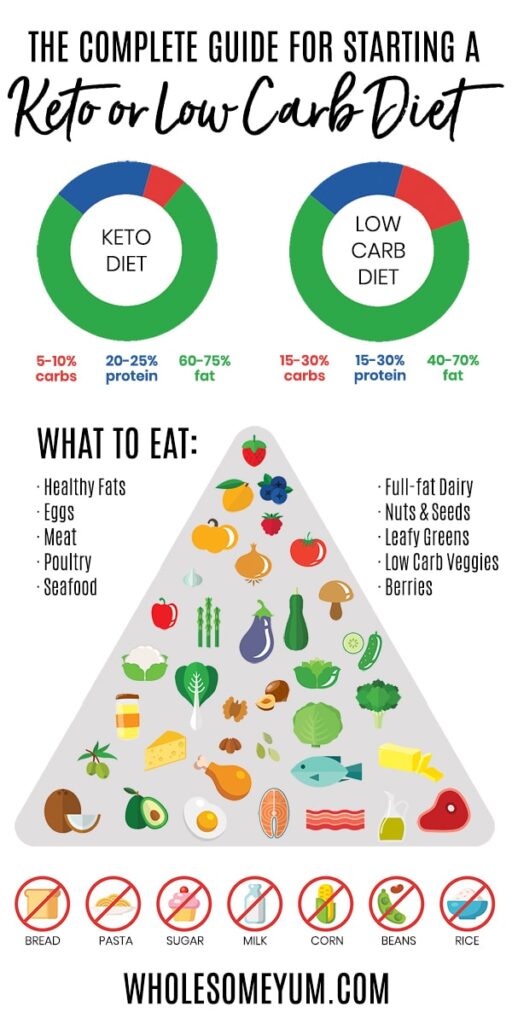
Another strategy for staying within your carb limit is to prioritize low-carb foods in your diet. These include non-starchy vegetables, such as leafy greens, broccoli, and cauliflower. Additionally, foods like meat, fish, eggs, and healthy fats such as avocados and nuts are naturally low in carbs and can be incorporated into your meals. By selecting these low-carb options, you can enjoy a satisfying and nutritious diet while still adhering to your carb limit.
Meal Planning and Prepping
Planning and prepping your meals in advance can greatly assist you in staying within your carb limit on the Keto Diet. By preparing your meals ahead of time, you have more control over ingredient selection and portion sizes. This allows you to customize your meals to meet your specific carb limit requirements while also ensuring you have convenient and healthy options readily available.
Tips for Adjusting Your Carb Limit
Gradual Carb Reduction
If you are new to the Keto Diet or looking to adjust your carb limit, it is advisable to gradually reduce your carb intake. Sudden and drastic carb reductions can lead to uncomfortable symptoms and make it challenging to adhere to the diet. By gradually reducing your carb intake over time, you give your body a chance to adapt and minimize any potential side effects.
Experimenting with Carb Intake
Finding the optimal carb limit for your body may require some experimentation. Each individual has different metabolic responses to carbs, and what works for one person may not work for another. Consider experimenting with your carb intake by gradually adjusting your daily limit within the recommended range. Monitor how your body feels and responds, and make adjustments accordingly until you find the carb limit that works best for you.
Seeking Professional Advice
If you are unsure about determining or adjusting your carb limit on the Keto Diet, it is always beneficial to seek the guidance of a nutrition professional or registered dietitian. They can provide personalized recommendations based on your specific needs and goals, and help you navigate the Keto Diet successfully.
Common Questions about the Keto Diet Carb Limit
Can I Have Any Carbs on Keto?
Despite being a low-carb diet, the Keto Diet does allow for some carb consumption. However, it is important to prioritize high-quality, complex carbs from non-starchy vegetables and small amounts of berries. These types of carbs are nutrient-dense and have a lower impact on blood sugar levels, making them more conducive to maintaining ketosis.
Can Net Carbs Be Calculated?
Net carbs can be calculated by subtracting the fiber content from the total carbs in a food item. This is because fiber is a type of carb that the body cannot fully digest or absorb, so it does not contribute to the rise in blood sugar levels. By calculating net carbs, you get a more accurate picture of the carbs that actually impact your body’s glucose levels and thus your ability to stay in ketosis.
How to Handle Carb Cravings?
Carb cravings can be challenging to overcome, especially when transitioning into the Keto Diet. However, there are several strategies you can employ to handle these cravings effectively. Firstly, ensure you are consuming enough healthy fats and proteins, as these macronutrients help keep you satiated and reduce cravings. Secondly, distract yourself with activities or hobbies when cravings strike. Lastly, consider incorporating low-carb alternatives or keto-friendly treats into your diet to satisfy cravings without derailing your progress.
Balancing Macronutrients on the Keto Diet
Importance of Protein and Fat
While the carb limit is critical on the Keto Diet, it is equally important to balance your intake of protein and fat. Protein is essential for muscle growth, repair, and various metabolic functions. Healthy fats provide a steady source of energy, support hormone production, and aid in the absorption of fat-soluble vitamins. Strive to consume moderate amounts of protein and ample healthy fats to maintain proper macronutrient balance while on the Keto Diet.
Finding the Right Balance
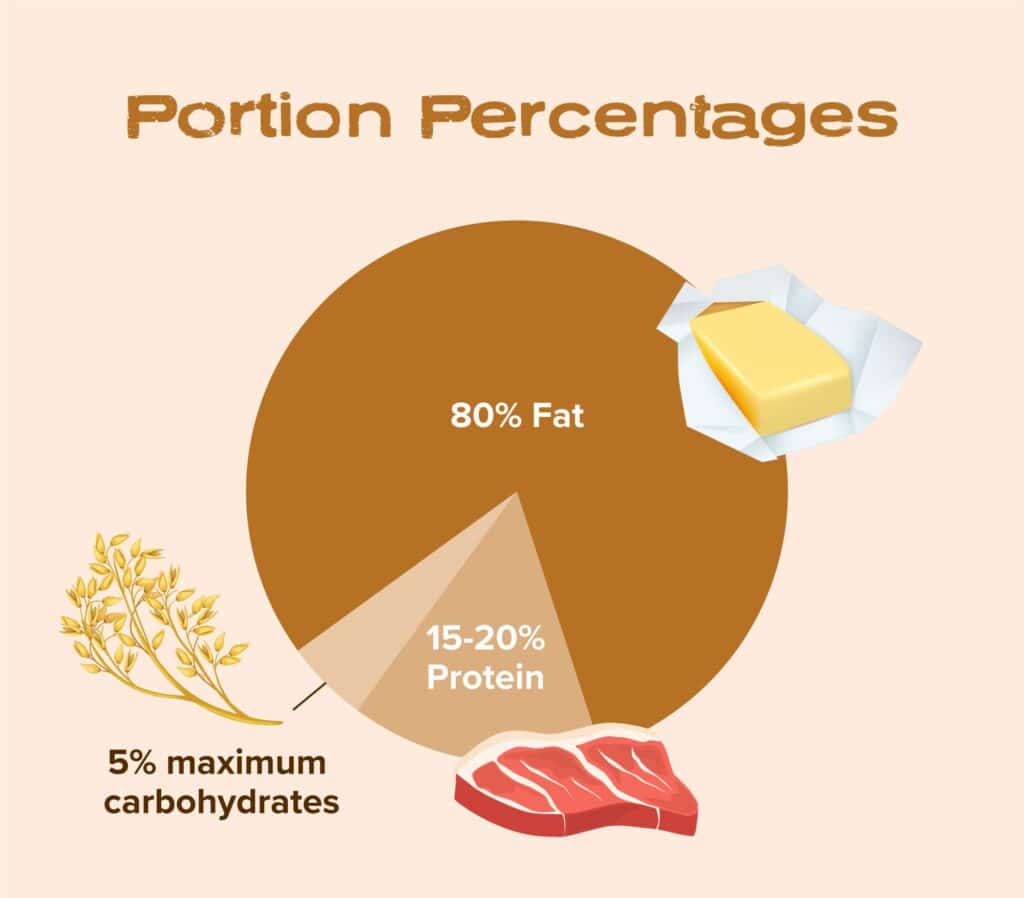
Finding the right balance of macronutrients on the Keto Diet depends on your individual goals and metabolic needs. A typical Keto Diet macronutrient breakdown consists of approximately 70-75% of calories from fat, 20-25% from protein, and 5-10% from carbohydrates. However, it is crucial to tailor these ratios based on your specific needs and to experiment to find the balance that works best for you.

Benefits of Following the Keto Diet Carb Limit
Accelerated Weight Loss
One of the primary benefits of following the Keto Diet carb limit is accelerated weight loss. When your body is in a state of ketosis and efficiently utilizing fat for fuel, it can result in significant fat loss. Additionally, the high-fat and low-carb nature of the diet can help control appetite and prevent overeating, further supporting weight loss goals.
Improved Blood Sugar Control
The Keto Diet can have a positive impact on blood sugar control, especially for individuals with type 2 diabetes or insulin resistance. By minimizing carb intake, the diet reduces blood sugar spikes and improves insulin sensitivity. This can lead to more stable blood sugar levels and potentially reduce the need for medication in some cases.
Increased Energy and Mental Focus
Many individuals who follow the Keto Diet report increased energy levels and improved mental focus. This is because ketones, the byproducts of burning fat for fuel, provide a more sustained and efficient source of energy for your body and brain compared to glucose. By maintaining a proper carb limit, you can experience enhanced mental clarity and sustained energy throughout the day.
Conclusion
Understanding and adhering to the carb limit is essential for success on the Keto Diet. By calculating and monitoring your carb intake, experimenting with adjustments based on your activity level, and choosing low-carb foods, you can maximize the benefits of the diet. Staying within your carb limit allows your body to enter and maintain the state of ketosis, leading to accelerated weight loss, improved blood sugar control, increased energy, and mental focus. Remember to consult with a nutrition professional if needed and enjoy the journey to a healthier and vibrant life on the Keto Diet.


