Keto Diet What Can I Eat
The ketogenic diet, commonly referred to as the keto diet, has gained immense popularity in recent years as a powerful tool for weight loss and improved health. At its core, the keto diet is a low-carbohydrate, high-fat eating plan that encourages your body to enter a state of ketosis. In this metabolic state, your body becomes highly efficient at burning fat for energy instead of relying on carbohydrates.
This shift not only aids in weight loss but can also lead to enhanced mental clarity and increased energy levels. As you embark on your keto journey, it’s essential to understand the fundamental principles that govern this diet. By drastically reducing your carbohydrate intake and replacing it with healthy fats, you can train your body to utilize fat as its primary fuel source.
This transition can be challenging at first, but with the proper knowledge and preparation, you can successfully navigate the keto landscape and reap its numerous benefits. In this article, you will discover the foods to embrace, the nutrients to prioritize, and the pitfalls to avoid as you adopt this transformative lifestyle.
Key Takeaways
- The Keto Diet is a high-fat, low-carb diet that aims to put the body into a state of ketosis, where it burns fat for fuel instead of carbohydrates.
- Foods to eat on the Keto Diet include meat, fish, eggs, high-fat dairy, nuts, seeds, and low-carb vegetables.
- Protein sources for the Keto Diet include chicken, turkey, beef, pork, and fatty fish like salmon and mackerel.
- Healthy fats for the Keto Diet include avocados, coconut oil, olive oil, and butter.
- Low-carb vegetables for the Keto Diet include leafy greens, broccoli, cauliflower, zucchini, and bell peppers.
Foods to Eat on the Keto Diet
When you commit to the keto diet, your grocery list will undergo a significant transformation. You’ll want to focus on whole, unprocessed foods that are rich in healthy fats and low in carbohydrates. This means stocking up on items like avocados, nuts, seeds, and fatty fish.
These foods not only provide essential nutrients but also help keep you satiated, making it easier to resist cravings for high-carb snacks. In addition to healthy fats, incorporate high-quality protein sources into your meals. Eggs, grass-fed meats, and poultry are excellent choices that align perfectly with the keto philosophy.
These foods not only support muscle maintenance but also contribute to a feeling of fullness that can help you stay on track with your dietary goals. As you explore various recipes and meal ideas, remember that creativity is key; there are countless ways to prepare delicious keto-friendly dishes that will keep your taste buds satisfied.
Protein Sources for the Keto Diet

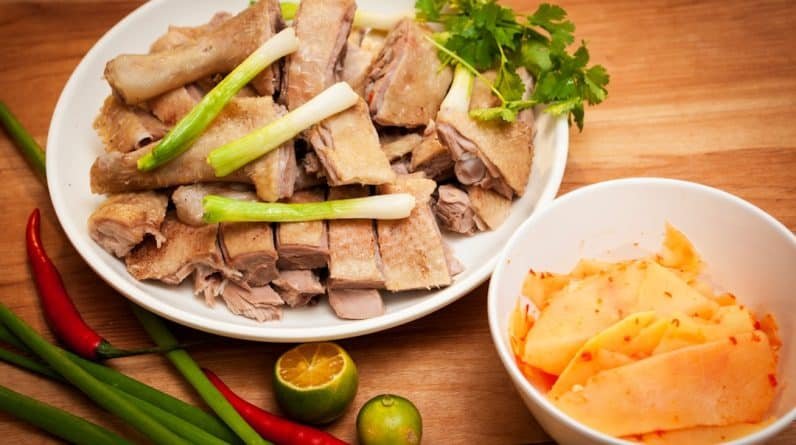
Protein is a crucial component of the keto diet, as it helps maintain muscle mass while you lose weight. When selecting protein sources, opt for those that are low in carbohydrates and high in quality. Eggs are a staple in many keto households due to their versatility and nutrient density.
They can be scrambled, boiled, or made into omelets filled with low-carb vegetables for a satisfying meal. Another excellent protein source is fatty fish such as salmon and mackerel. These fish are not only rich in omega-3 fatty acids but also provide a substantial amount of protein without the added carbs found in many processed meats.
Additionally, consider incorporating grass-fed beef or free-range chicken into your diet for a healthier option. These options are not only healthier but also more flavorful than their conventional counterparts. By focusing on high-quality protein sources, you can ensure that your body receives the necessary nutrients while adhering to the principles of the keto diet.
Healthy Fats for the Keto Diet
Healthy fats are the cornerstone of the keto diet, providing the energy your body needs while keeping carbohydrate intake low. When choosing fats, prioritize sources that are rich in monounsaturated and polyunsaturated fats. Avocados are an excellent choice; they are packed with heart-healthy fats and fiber, making them a perfect addition to salads or smoothies.
Olive oil is another fantastic option for cooking or drizzling over dishes. Its rich flavor enhances meals while providing beneficial antioxidants. Coconut oil is also popular among keto enthusiasts due to its medium-chain triglycerides (MCTs), which can be quickly converted into energy by your body.
Incorporating these healthy fats into your meals not only supports ketosis but also promotes overall health by reducing inflammation and improving heart health.
Low-Carb Vegetables for the Keto Diet
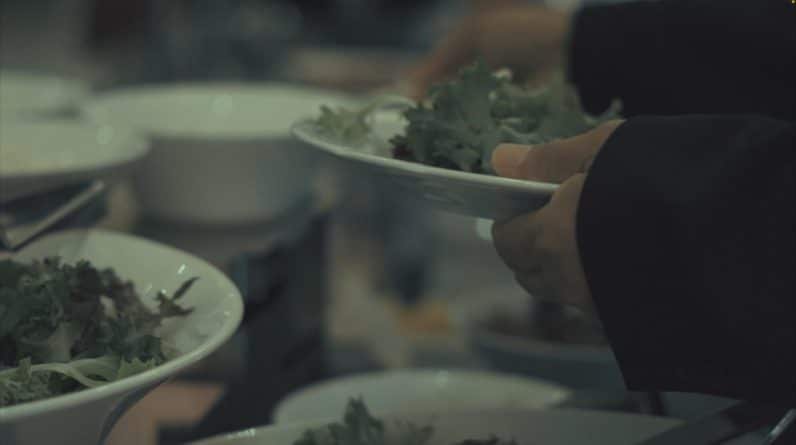
While many vegetables are packed with nutrients, not all of them fit into a keto lifestyle due to their carbohydrate content. However, there are plenty of low-carb options that you can enjoy without derailing your progress. Leafy greens, such as spinach, kale, and arugula, are excellent choices due to their low carb content and high vitamin and mineral content.
Cruciferous vegetables, such as broccoli, cauliflower, and Brussels sprouts, are also excellent additions to your keto plate. These veggies can be roasted, steamed, or even turned into rice alternatives when processed correctly. By incorporating a variety of low-carb vegetables into your meals, you can ensure that you’re getting essential nutrients while keeping your carbohydrate intake in check.
Keto-Friendly Snacks and Desserts

One common misconception about the keto diet is that it lacks variety and flavor in snacks and desserts. In reality, numerous delicious options can satisfy your cravings without compromising your dietary goals. For instance, nuts and seeds make for an excellent snack; they are nutrient-dense and provide healthy fats that keep you feeling full.
If you have a sweet tooth, consider making keto-friendly desserts using ingredients like almond flour or coconut flour instead of traditional wheat flour. You can whip up treats like chocolate avocado mousse or almond flour cookies that are both satisfying and compliant with your dietary restrictions. With a bit of creativity in the kitchen, you can enjoy indulgent snacks and desserts while staying true to your keto lifestyle.
Beverages Allowed on the Keto Diet
Staying hydrated is essential on any diet, including the keto diet. Fortunately, there are plenty of beverage options that align with your dietary goals. Water should always be your go-to choice; it’s calorie-free and essential for overall health.
If you’re looking for something with a bit more flavor, consider herbal teas or black coffee—both of which are low in carbs and can be enjoyed without added sugars. For those who enjoy sparkling drinks, sugar-free sparkling water is an excellent alternative to sugary sodas. You can also infuse your water with slices of lemon or cucumber for a refreshing twist.
Just be cautious with beverages like fruit juices or sweetened drinks, as they often contain hidden sugars that can disrupt ketosis.
Foods to Avoid on the Keto Diet
As you navigate the keto diet, it’s crucial to be aware of foods that can hinder your progress. High-carbohydrate foods such as bread, pasta, rice, and sugary snacks should be eliminated from your diet entirely. These items can quickly spike your blood sugar levels and kick you out of ketosis.
Additionally, be cautious with certain fruits that are high in sugar content—bananas, grapes, and apples may be delicious but can sabotage your efforts if consumed in excess. Processed foods often contain hidden sugars and unhealthy additives that can derail your progress as well. By being mindful of what you eat and focusing on whole foods that align with the principles of the keto diet, you can achieve lasting success on this transformative journey.
Adopting the keto diet requires a commitment to understanding what foods support your goals while avoiding those that do not. By focusing on healthy fats, quality proteins, low-carb vegetables, and creative snacks and desserts, you can create a satisfying meal plan that keeps you energized and motivated. Remember to stay hydrated with appropriate beverages and remain vigilant about avoiding high-carb foods that could disrupt your progress.
With dedication and knowledge at your side, you can thrive on the keto diet and enjoy its many benefits for both body and mind.
FAQs
What is a keto diet?
A keto diet is a high-fat, low-carbohydrate diet that has been shown to help with weight loss and improve certain health conditions. It involves drastically reducing carbohydrate intake and replacing it with fat, which puts the body into a metabolic state called ketosis.
What can I eat on a keto diet?
Foods that are typically consumed on a keto diet include meat, fish, eggs, high-fat dairy products, nuts and seeds, low-carb vegetables, and healthy fats such as avocado and olive oil. It is essential to limit your intake of high-carb foods, such as grains, fruits, and starchy vegetables.
Can I eat fruits on a keto diet?
Fruits are generally high in carbohydrates, so they are limited on a keto diet. Small portions of low-carb fruits such as berries can be included in moderation, but high-sugar fruits like bananas and grapes should be avoided.
What about vegetables on a keto diet?
Non-starchy vegetables such as leafy greens, broccoli, cauliflower, and bell peppers are typically included in a keto diet. These vegetables are low in carbohydrates and high in fiber, making them suitable for a low-carb eating plan.
Are there any restrictions on protein intake?
While protein is an integral part of a keto diet, it is essential to moderate intake and not overconsume. Excessive protein intake can potentially interfere with ketosis, so it is recommended to focus on moderate amounts of protein from sources like meat, fish, and eggs.
Can I eat dairy products on a keto diet?
Full-fat dairy products such as cheese, butter, and heavy cream are commonly consumed on a keto diet. However, it is essential to be mindful of the carb content in dairy products and choose options that are lower in carbohydrates.
What beverages can I consume on a keto diet?
Water is the best choice for staying hydrated on a keto diet. Other suitable options include unsweetened tea and coffee, as well as certain low-carb beverages such as sparkling water and herbal teas. It is essential to avoid sugary drinks and high-carb beverages, such as fruit juice.
RELATED TOPICS ABOUT Keto Diet What Can I Eat:
What Can I Eat on Keto,
Keto Friendly Foods List,
What Foods Are Allowed on Keto,
Keto Diet Approved Foods,
Foods You Can Eat on Keto,
What to Eat on a Ketogenic Diet,
Keto Proteins to Eat,
Keto Vegetables to Eat,
Keto Fruits You Can Eat,
Healthy Fats for Keto,
Low Carb Snacks to Eat,
Dairy Products Allowed on Keto,
Simple Keto Food List,
Beginner Keto Foods,
Easy Keto Diet Food Guide,
Clean Keto Foods to Eat,
Quick Reference Keto Food List,
Basic Keto Foods for Starters,
Keto Weight Loss Foods,
Fat Burning Foods on Keto,
What to Eat on Keto to Stay in Ketosis,
Keto Muscle Gain Foods,
Best Foods for Keto Fat Adaptation,
Printable List of Keto Foods,
Keto Diet What to Eat Pdf,
Keto Meal Plan with Approved Foods,
Keto Food Chart,
Free Keto Food List Download,
Keto What to Eat and What Not to Eat,
Keto Foods to Eat and Avoid,
Non-keto Vs Keto Foods,
Can I Eat Rice on Keto,
Can I Eat Fruit on Keto
===========
Content 10/10/G