Respiratory health is a crucial aspect of overall well-being that often goes unnoticed until issues arise. Your lungs play a vital role in your body, facilitating the exchange of oxygen and carbon dioxide, which is essential for sustaining life. When you breathe, your respiratory system works tirelessly to filter out harmful particles, regulate airflow, and maintain the delicate balance of gases in your bloodstream.
Understanding the factors that influence respiratory health can empower you to make informed choices that promote lung function and overall vitality. As you navigate through life, various elements can impact your respiratory health, from environmental factors to lifestyle choices. Awareness of these influences is the first step toward safeguarding your lungs.
By recognizing the importance of maintaining healthy respiratory function, you can take proactive measures to enhance your quality of life. This article will explore the multifaceted relationship between respiratory health and various external factors, including air pollution, smoking, occupational hazards, respiratory infections, asthma, and chronic obstructive pulmonary disease (COPD). Additionally, it will provide practical strategies for improving your respiratory health.
Key Takeaways
- Respiratory health is crucial for overall well-being and involves the proper functioning of the lungs and airways.
- Air pollution can have detrimental effects on respiratory health, leading to conditions such as asthma and COPD.
- Smoking is a major risk factor for respiratory health, causing lung damage and increasing the risk of respiratory infections.
- Occupational hazards, such as exposure to chemicals and dust, can also impact respiratory health and lead to long-term lung damage.
- Respiratory infections, including the flu and pneumonia, can have serious consequences for respiratory health and may require medical intervention.
Air Pollution and Respiratory Health
Air pollution is one of the most significant threats to respiratory health today. As you step outside, you may not realize that the air you breathe can be laden with harmful pollutants such as particulate matter, nitrogen dioxide, and sulfur dioxide. These substances can irritate your airways and lead to a range of respiratory issues, from mild discomfort to severe diseases.
Long-term exposure to polluted air can exacerbate existing conditions and even contribute to the development of chronic respiratory diseases. The impact of air pollution on your lungs is particularly concerning for vulnerable populations, including children, the elderly, and those with pre-existing health conditions. Studies have shown that exposure to high levels of air pollution can lead to increased hospital admissions for respiratory problems and a higher incidence of asthma attacks.
As you become more aware of the air quality in your area, you can take steps to minimize your exposure, such as staying indoors on days when pollution levels are high or using air purifiers in your home.
Smoking and Respiratory Health
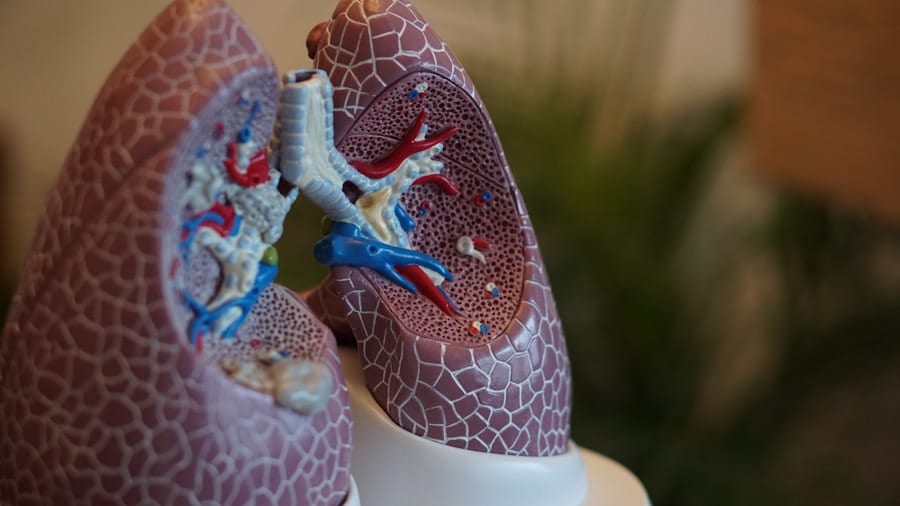
Smoking remains one of the leading causes of preventable respiratory diseases worldwide. If you smoke or are exposed to secondhand smoke, you are at a significantly higher risk for developing chronic conditions such as emphysema and chronic bronchitis. The harmful chemicals in tobacco smoke can damage the delicate tissues in your lungs, leading to inflammation and reduced lung function over time.
Quitting smoking is one of the most impactful decisions you can make for your respiratory health. Even if you have been smoking for years, it is never too late to quit. Your lungs have an incredible ability to heal themselves once you stop exposing them to harmful substances.
Within weeks of quitting, you may notice improvements in your breathing and overall lung function. Additionally, avoiding secondhand smoke is equally important; protecting yourself from others’ smoke can significantly reduce your risk of developing respiratory issues. By prioritizing a smoke-free lifestyle, you are taking a significant step toward ensuring better respiratory health for yourself and those around you.
Occupational Hazards and Respiratory Health
Your workplace environment can significantly influence your respiratory health. Many industries expose workers to hazardous substances such as dust, fumes, and chemicals that can compromise lung function over time. If you work in construction, manufacturing, or any field where exposure to airborne pollutants is common, it is essential to be aware of the potential risks associated with your job.
Prolonged exposure to these hazards can lead to serious conditions like pneumoconiosis or occupational asthma. To protect yourself from occupational hazards, it is crucial to follow safety protocols and use protective equipment provided by your employer. Regular health screenings can also help identify any early signs of respiratory issues before they become severe.
If you notice any symptoms such as persistent cough or shortness of breath related to your work environment, do not hesitate to seek medical advice. By being proactive about your occupational health, you can mitigate risks and maintain optimal respiratory function throughout your career.
Respiratory Infections and Health
Respiratory infections pose a significant threat to lung health, particularly during certain seasons when viruses are more prevalent. Conditions such as influenza, pneumonia, and bronchitis can lead to inflammation in the airways and impair lung function. If you find yourself frequently battling respiratory infections, it may be time to evaluate your overall health and lifestyle choices.
Factors such as poor nutrition, lack of exercise, and inadequate sleep can weaken your immune system and make you more susceptible to infections. Preventing respiratory infections involves adopting healthy habits that bolster your immune system. Regular handwashing, getting vaccinated against influenza and pneumonia, and maintaining a balanced diet rich in vitamins and minerals are all effective strategies.
Additionally, staying physically active can enhance your overall health and resilience against infections. By prioritizing these preventive measures, you can significantly reduce your risk of respiratory infections and protect your lung health.
Asthma and Respiratory Health

Asthma is a chronic condition that affects millions of people worldwide and can significantly impact your quality of life. If you have asthma, your airways are sensitive and prone to inflammation in response to various triggers such as allergens, exercise, or cold air. This inflammation can lead to symptoms like wheezing, coughing, and difficulty breathing.
Understanding how to manage asthma effectively is crucial for maintaining good respiratory health. Managing asthma involves identifying your triggers and developing a personalized action plan with your healthcare provider. This plan may include medications such as inhalers or corticosteroids to help control inflammation and prevent asthma attacks.
Additionally, lifestyle modifications such as avoiding known allergens or engaging in regular physical activity can help improve lung function over time. By taking an active role in managing your asthma, you can lead a fulfilling life while minimizing the impact of this condition on your respiratory health.
Chronic Obstructive Pulmonary Disease (COPD) and Respiratory Health
Chronic obstructive pulmonary disease (COPD) is a progressive lung disease characterized by persistent airflow limitation that makes breathing difficult. If you have been diagnosed with COPD or are at risk due to factors like smoking or long-term exposure to pollutants, understanding this condition is vital for managing your respiratory health effectively. COPD encompasses conditions such as chronic bronchitis and emphysema, both of which can lead to debilitating symptoms.
Living with COPD requires a comprehensive approach that includes medication management, pulmonary rehabilitation, and lifestyle changes. Medications such as bronchodilators can help open up the airways and improve breathing efficiency. Engaging in pulmonary rehabilitation programs can also enhance your physical endurance and overall quality of life.
Additionally, adopting a healthy lifestyle—such as quitting smoking if you haven’t already—can slow the progression of COPD and improve lung function over time.
Ways to Improve Respiratory Health
Improving your respiratory health involves a multifaceted approach that encompasses various lifestyle changes and preventive measures. One of the most effective ways to enhance lung function is through regular physical activity. Engaging in aerobic exercises like walking, swimming, or cycling can strengthen your respiratory muscles and improve overall lung capacity.
Aim for at least 150 minutes of moderate-intensity exercise each week to reap the benefits. In addition to exercise, maintaining a healthy diet rich in fruits, vegetables, whole grains, and lean proteins can support lung health by providing essential nutrients that combat inflammation. Staying hydrated is equally important; drinking plenty of water helps keep mucus membranes moist and supports optimal lung function.
Furthermore, consider incorporating breathing exercises into your daily routine; techniques such as diaphragmatic breathing or pursed-lip breathing can enhance lung efficiency and promote relaxation. By being proactive about your respiratory health through awareness and lifestyle choices, you can significantly improve your quality of life while reducing the risk of developing serious respiratory conditions. Whether it’s avoiding pollutants or engaging in regular exercise, every small step counts toward achieving better lung health for yourself and those around you.
FAQs
What are the common respiratory health issues?
Common respiratory health issues include asthma, chronic obstructive pulmonary disease (COPD), pneumonia, bronchitis, and lung cancer.
How does air pollution impact respiratory health?
Exposure to air pollution can lead to respiratory problems such as asthma, COPD, and other lung diseases. Particulate matter and pollutants in the air can irritate the respiratory system and cause inflammation.
What is the impact of smoking on respiratory health?
Smoking is a major risk factor for respiratory health issues such as lung cancer, COPD, and emphysema. It damages the lungs and airways, leading to reduced lung function and increased risk of respiratory infections.
How does occupational exposure affect respiratory health?
Occupational exposure to dust, chemicals, and fumes can lead to respiratory issues such as occupational asthma, pneumoconiosis, and chronic bronchitis. Workers in industries such as mining, construction, and manufacturing are at higher risk.
What is the impact of respiratory health on overall well-being?
Respiratory health is crucial for overall well-being as it affects the body’s ability to take in oxygen and expel carbon dioxide. Poor respiratory health can lead to fatigue, reduced physical activity, and decreased quality of life.