Are you aware of the potential of the keto diet in the battle against cancer? In recent years, the ketogenic diet has gained attention for its potential benefits in reducing tumor growth and improving treatment outcomes for cancer patients. By restricting carbohydrates and increasing healthy fats, the keto diet aims to put the body into a metabolic state called ketosis, where it utilizes fat for energy instead of glucose. With ongoing research and promising results, understanding the role of the keto diet in cancer is a topic worth exploring.
What is the Keto Diet?
Definition
The Keto Diet, short for ketogenic diet, is a low-carb, high-fat diet that has gained popularity in recent years. It focuses on drastically reducing carbohydrate intake and replacing it with fats. By doing so, your body enters a metabolic state called ketosis, where it becomes efficient at burning fat for energy instead of relying on carbohydrates.
How it works
The main principle behind the keto diet is to significantly reduce your intake of carbohydrates. This reduction in carbs shifts your body’s metabolism, forcing it to use fat as the primary source of fuel. When carbohydrates are limited, your liver produces ketones from stored fat, which are then used by your body as an alternative fuel source. This metabolic state, known as ketosis, is what gives the keto diet its name.
Benefits
The keto diet has gained attention for its potential benefits beyond weight loss. Some studies suggest that it may help improve insulin sensitivity, blood sugar control, and even cognitive function. Additionally, the ketogenic diet has been investigated for its potential role in certain medical conditions, including epilepsy and cancer. However, it’s important to note that more research is needed to fully understand the long-term benefits and potential risks associated with this diet.
Understanding Cancer
What is cancer?
Cancer is a complex and multifaceted disease characterized by the uncontrolled growth of abnormal cells in the body. These cells have the ability to invade and destroy surrounding tissues, and can potentially spread to other parts of the body. There are various types of cancer, each with its own unique set of characteristics and behaviors.
Causes of cancer
While the exact cause of cancer is often difficult to pinpoint, it is generally understood that cancer is caused by a combination of genetic, environmental, and lifestyle factors. Genetic mutations and alterations in the DNA of our cells can contribute to the development of cancer. Additionally, factors such as exposure to certain carcinogens, tobacco use, excessive alcohol consumption, and poor dietary choices can increase the risk of developing cancer.
Traditional cancer treatments
Traditional cancer treatments typically include a combination of surgery, chemotherapy, radiation therapy, and targeted therapy. These treatments aim to remove cancerous cells, kill cancer cells, or inhibit their growth. While these treatments have been successful in many cases, they often come with side effects and may not be effective for all types of cancer. Therefore, there is ongoing research and exploration of alternative approaches, such as the keto diet, to complement or improve upon traditional cancer treatments.
The Link Between Diet and Cancer
Impact of diet on cancer risk
Diet plays a crucial role in our overall health, and emerging evidence suggests that it may also impact our risk of developing cancer. Numerous studies have investigated the association between diet and cancer, with specific focus on dietary patterns and individual nutrients. While the evidence is not yet conclusive, research suggests that certain dietary factors, including high consumption of red and processed meats, and low intake of fruits, vegetables, and whole grains, may increase the risk of developing certain types of cancer.
Effects of high-carbohydrate diets
One dietary factor that has been implicated in cancer development is the consumption of high-carbohydrate diets. Carbohydrates, especially highly refined and processed ones, can rapidly increase blood sugar levels and trigger insulin release. Insulin itself is a growth factor and can promote the growth of cancer cells. Therefore, consistently consuming high levels of carbohydrates may potentially contribute to the development and progression of certain types of cancer.
Role of sugar in cancer development
Sugar has long been associated with health issues such as obesity, type 2 diabetes, and heart disease. There is also emerging evidence to suggest that excessive sugar consumption may play a role in cancer initiation and progression. Cancer cells have been found to rely heavily on glucose (a type of sugar) as an energy source, and some studies have shown that reducing sugar consumption can slow down the growth of cancer cells. While more research is needed in this area, limiting sugar intake is generally recommended for overall health and wellbeing.
Keto Diet Basics
What is the keto diet?
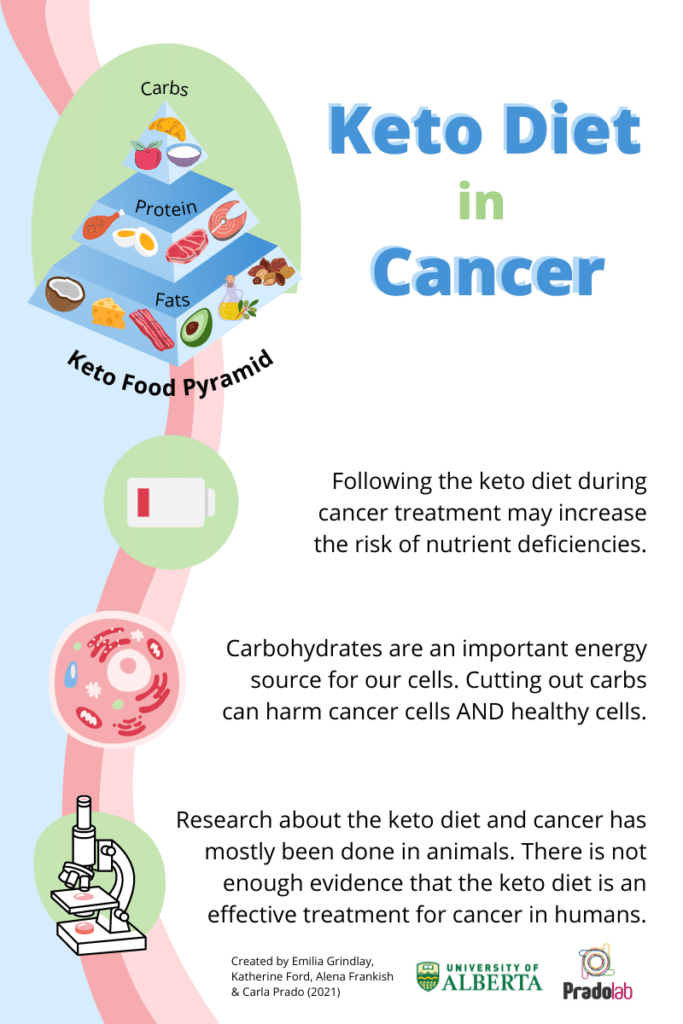
The keto diet is a low-carb, high-fat diet that aims to induce a state of ketosis in the body. It involves drastically reducing carbohydrate intake, typically to less than 50 grams per day, and increasing fat consumption to make up the majority of daily calorie intake. This shift in macronutrient ratios forces the body to rely on fat as its primary source of energy, leading to various physiological changes within the body.
Principles of the keto diet
The keto diet is based on several key principles. First and foremost, it involves severely limiting carbohydrate intake to initiate and maintain a state of ketosis. Second, it emphasizes the consumption of healthy fats, such as those found in avocados, nuts, and fatty fish. Lastly, the diet encourages moderate protein intake, as excessive protein consumption can potentially interfere with ketosis by being converted into glucose through a process called gluconeogenesis.
Types of foods allowed on the keto diet
While the keto diet is low in carbohydrates, it does not mean that all sources of carbohydrates are off-limits. The diet primarily focuses on consuming non-starchy vegetables, such as leafy greens, cauliflower, and broccoli, which are low in carbohydrates. It also includes moderate amounts of protein, obtained from sources such as meat, poultry, fish, and tofu. Additionally, the keto diet allows for the consumption of healthy fats, including olive oil, coconut oil, and butter.
Benefits of the keto diet for weight loss
One of the main reasons people turn to the keto diet is its potential for weight loss. By reducing carbohydrate intake and increasing fat consumption, the keto diet can promote a state of ketosis, where the body burns fat for energy. This shift in metabolism can lead to more efficient fat burning and weight loss. Additionally, the keto diet may help reduce appetite and increase feelings of fullness, which can further support weight loss efforts.
Keto Diet and Cancer
Research on the keto diet and cancer
The role of the keto diet in cancer prevention and treatment has been a topic of interest for researchers. While much of the research is still in its early stages and primarily limited to animal studies and small human trials, some evidence suggests that the keto diet may have a beneficial impact on cancer. However, it is important to note that the current research is limited, and more studies are needed to fully understand the potential therapeutic effects of the keto diet in relation to cancer.
Theories behind the keto diet’s impact on cancer
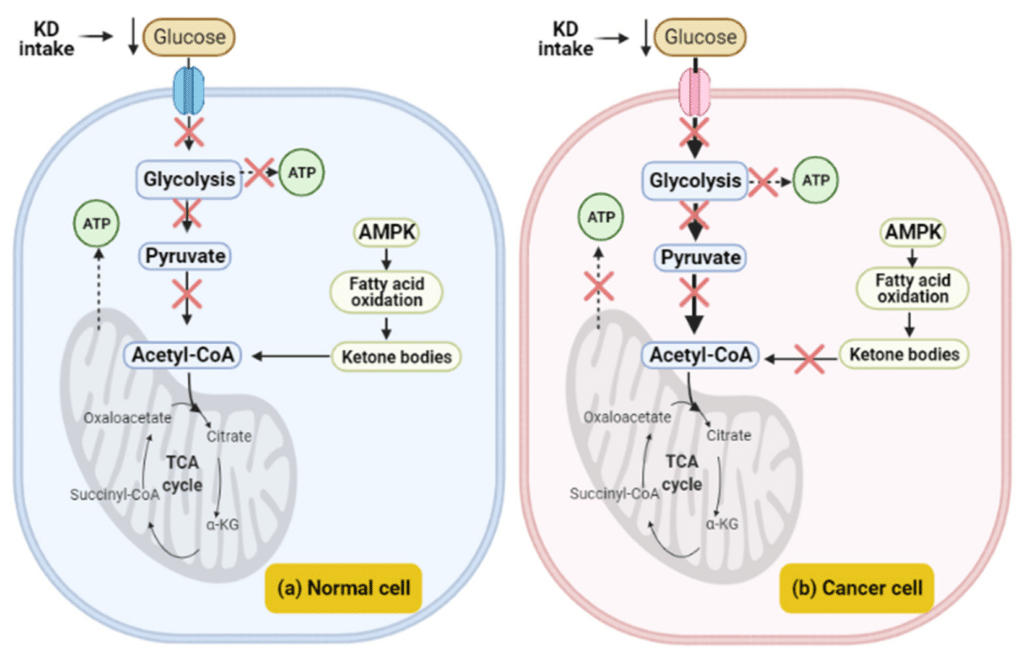
There are several theories that attempt to explain the potential mechanism behind the keto diet’s impact on cancer. One theory suggests that by restricting carbohydrates, the keto diet may reduce the availability of glucose, which cancer cells rely on for energy. This deprivation of glucose can potentially inhibit the growth and survival of cancer cells. Additionally, the keto diet has been proposed to have anti-inflammatory and antioxidant effects, which could further contribute to its potential anti-cancer properties.
Effectiveness of the keto diet in cancer treatment
While the keto diet shows promise in preclinical studies and small human trials, its effectiveness in cancer treatment still requires further investigation. It is important to note that the keto diet should not be considered a standalone treatment for cancer, but rather as a potential adjunct therapy to be used in conjunction with conventional cancer treatments. The current evidence suggests that the keto diet may enhance the effectiveness of certain cancer treatments, mitigate treatment-related side effects, and improve overall quality of life. However, more research is needed to determine the optimal implementation and long-term effects of the keto diet in cancer treatment.
Keto Diet vs. Conventional Cancer Treatments
Comparison of keto diet and traditional cancer treatments
The keto diet and traditional cancer treatments, such as surgery, chemotherapy, and radiation therapy, serve different purposes and have distinct mechanisms of action. Traditional cancer treatments target cancer cells directly, aiming to remove or destroy them, while the keto diet seeks to create an unfavorable environment for cancer cell growth by altering the metabolic state of the body. Therefore, it is crucial to understand that the keto diet should not replace conventional cancer treatments, but rather complement them.
Combined approach: keto diet alongside conventional treatments
Emerging research suggests that a combined approach, utilizing the keto diet alongside traditional cancer treatments, may hold promise in improving treatment outcomes. The keto diet may increase the efficacy of certain treatments, reduce treatment resistance, and potentially enhance overall response rates. However, it is important to consult with a healthcare professional to determine the appropriate time to implement the diet, ensure adequate nutrient intake, and prevent any potential interactions or complications.
Risks and limitations of relying solely on the keto diet for cancer treatment
Relying solely on the keto diet for cancer treatment carries several risks and limitations. First, the keto diet may not be suitable for all individuals, especially those with certain medical conditions or nutrient deficiencies. Second, implementing the diet without proper guidance and monitoring may result in imbalances in nutrient intake and potentially worsen overall health. Lastly, while the keto diet shows promise, it is not a guaranteed cure for cancer. It is crucial to approach the diet as part of a comprehensive treatment plan under the supervision of healthcare professionals.
Keto Diet for Cancer Prevention
Potential role of the keto diet in cancer prevention
Although the majority of research on the keto diet and cancer focuses on treatment, there is growing interest in its potential role in cancer prevention. Some studies suggest that the keto diet’s ability to reduce glucose availability and control insulin levels may create an environment less conducive to cancer cell growth. However, further research is needed to fully elucidate the preventive effects of the keto diet and determine its optimal implementation for cancer prevention.
Studies on the keto diet’s preventive effects on certain types of cancer
There is limited research specifically examining the preventive effects of the keto diet on various types of cancer. However, a few animal studies and observational studies in humans have suggested that the keto diet may have potential preventive effects in certain cancers, such as breast, colon, and pancreatic cancer. Nonetheless, more robust studies, including randomized controlled trials, are necessary to establish the effectiveness and safety of the keto diet as a preventive strategy.
Recommendations and considerations for cancer prevention
While the keto diet shows promise in cancer prevention, it is important to approach it as part of a comprehensive lifestyle approach. Maintaining a healthy weight, engaging in regular physical activity, and consuming a balanced diet rich in fruits, vegetables, and whole grains are all important factors in reducing the risk of cancer. Additionally, it is crucial to consult with a healthcare professional or registered dietitian before making any significant dietary changes to ensure that individual needs and health conditions are taken into account.
Keto Diet Side Effects and Risks
Possible side effects of the keto diet
As with any dietary approach, the keto diet is associated with certain side effects. During the initial transition phase, some individuals may experience what is commonly known as the “keto flu,” which includes symptoms such as fatigue, headache, dizziness, and nausea. Additionally, the keto diet may cause changes in bowel habits, such as constipation or diarrhea, and increase the risk of nutrient deficiencies if not properly planned and monitored.
Long-term risks and complications of the keto diet
The long-term risks and complications of the keto diet are still not fully understood, as research in this area is ongoing. Some concerns raised by experts include potential kidney problems due to increased protein intake, negative effects on bone health, and alterations in lipid profiles. It is crucial to approach the keto diet with caution, especially for individuals with pre-existing medical conditions such as kidney disease or a history of disordered eating.
Management of side effects and risks
To mitigate the side effects and risks associated with the keto diet, it is important to implement the diet under the guidance of a healthcare professional or registered dietitian. Adequate hydration and electrolyte balance should be maintained, and adjustments to macronutrient ratios and nutrient intake may be necessary to ensure overall health and wellbeing. Regular monitoring of blood markers and close communication with a healthcare professional are key in managing potential side effects and risks.
Consulting with a Healthcare Professional
Importance of consulting with a healthcare professional
Before embarking on any significant dietary changes, especially for individuals with underlying health conditions, it is crucial to consult with a healthcare professional. A healthcare professional can evaluate your individual health status, provide personalized guidance, and ensure that the diet is implemented safely and appropriately. They can also help monitor your progress, make necessary adjustments, and address any concerns or questions you may have.
Personalized approach to the keto diet for cancer patients
The keto diet, as a potential adjunct therapy for cancer patients, requires a personalized approach. Each individual’s nutritional needs, treatment plan, and overall health status must be taken into account. A healthcare professional, such as an oncologist or registered dietitian, can help tailor the keto diet to suit your unique circumstances, monitor your progress, and evaluate the compatibility of the diet with your ongoing cancer treatment.
Monitoring and adjusting the diet under medical supervision
Due to the potential risks and complexities associated with the keto diet, it is important to undergo regular monitoring and adjustment of the diet under medical supervision. Regular blood tests and health assessments can help identify any nutrient deficiencies or imbalances and allow for timely interventions. This close supervision ensures that the diet is optimized and that any potential interactions or complications are addressed promptly.
Final Thoughts
Conclusion: the keto diet and its potential impact on cancer
The keto diet has gained attention for its potential impact on cancer prevention and treatment. While the evidence is still limited and more research is needed, some studies suggest that the keto diet may have therapeutic benefits in certain types of cancer. However, it is important to approach the keto diet as part of a comprehensive treatment plan and not rely solely on it for cancer management. Consulting with a healthcare professional and undergoing regular monitoring are essential to ensure that the diet is implemented safely and effectively.
Continued research and exploration
The relationship between the keto diet and cancer is a topic of ongoing research and exploration. With the growing interest in alternative and complementary approaches to cancer treatment, further studies are needed to delve deeper into the potential mechanisms, optimal implementation, and long-term effects of the keto diet in cancer prevention and treatment. Continued research in this field holds promise for improving cancer outcomes and expanding our understanding of the complex interactions between diet and cancer.